
JBPH

Journal of Biosciences
and Public Health

RSS Feed
Openopen-access logoaccess
Published by: www.4grs.org
eISSN 3104-8749

Mitigation of Pesticide Runoff in Paddy Agroecosystems Through Endophytic Bacteria: A Pathway Toward Aquatic Biodiversity Restoration

J. Biosci. Public Health. 2026; 2(2)

Review article | Open access | J. Biosci. Public Health. 2026; 2(2) : 152-174 | doi: 10.5455/JBPH.2026.06

Mitigation of Pesticide Runoff in Paddy Agroecosystems Through Endophytic Bacteria: A Pathway Toward Aquatic Biodiversity Restoration

Layba Afrin orcid green 'id' icon

First Author

Layba Afrin

laybaafrin1699@gmail.com

orcid green 'id' icon https://orcid.org/0009-0005-4143-5857

Affiliations:

Department of Biochemistry and Molecular Biology, Hajee Mohammad Danesh Science and Technology University, Dinajpur-5200, Bangladesh

, Sukumar Roy orcid green 'id' icon

Joinly First Author

Sukumar Roy

sukumarroyhstu@gmail.com

orcid green 'id' icon https://orcid.org/0009-0008-3289-0972

Affiliations:

Department of Biochemistry and Molecular Biology, Hajee Mohammad Danesh Science and Technology University, Dinajpur-5200, Bangladesh

, Aminur Rahman orcid green 'id' icon

Coauthor

Aminur Rahman

marahman@kfu.edu.sa

orcid green 'id' icon https://orcid.org/0000-0001-8326-026X

Affiliations:

Department of Biomedical Sciences, College of Clinical Pharmacy, King Faisal University, PO BOX 400, Al-Ahsa-31982, Saudi Arabia

, Bissas Binduraz orcid green 'id' icon

Coauthor

Bissas Binduraz

bindurajdevnath104@gmail.com

orcid green 'id' icon https://orcid.org/0009-0005-5223-7354

Affiliations:

Department of Biochemistry and Molecular Biology, Hajee Mohammad Danesh Science and Technology University, Dinajpur-5200, Bangladesh

, Mst. Shamima Afroz orcid green 'id' icon

Coauthor

Mst. Shamima Afroz

afroseva26@gmail.com

orcid green 'id' icon https://orcid.org/0009-0008-1158-5477

Affiliations:

Department of Biochemistry and Molecular Biology, Hajee Mohammad Danesh Science and Technology University, Dinajpur-5200, Bangladesh

, Jubayar Al Mahmud orcid green 'id' icon

Coauthor

Jubayar Al Mahmud

badhonbappi2019@gmail.com

orcid green 'id' icon https://orcid.org/0009-0001-6673-896X

Affiliations:

Department of Biochemistry and Molecular Biology, Hajee Mohammad Danesh Science and Technology University, Dinajpur-5200, Bangladesh

, Mohona Mustari Mim orcid green 'id' icon

Coauthor

Mohona Mustari Mim

mohona.biochem@gmail.com

orcid green 'id' icon https://orcid.org/0009-0003-3466-7954

Affiliations:

Department of Biochemistry and Molecular Biology, Hajee Mohammad Danesh Science and Technology University, Dinajpur-5200, Bangladesh

, Kye Man Cho orcid green 'id' icon

Coauthor

Kye Man Cho

kmcho@gnu.ac.kr

orcid green 'id' icon https://orcid.org/0000-0002-5928-0532

Affiliations:

Department of Green Bio Science, Agri-Food Bio Convergence Institute, Gyeongsang National University, Jinju 52725, Republic of Korea

, Nayma Ahmmed orcid green 'id' icon

Coauthor

Nayma Ahmmed

naymanishat.ju49@gmail.com

orcid green 'id' icon https://orcid.org/0009-0002-4229-8784

Affiliations:

Department of Public Health and Informatics, Jahangirnagar University, Savar, Dhaka-1342, Bangladesh

, Md. Azizul Haque *

Corresponding Author *

Md. Azizul Haque

helalbmb2016@hstu.ac.bd

orcid green 'id' icon https://orcid.org/0000-0002-9788-0766

Affiliations:

Department of Biochemistry and Molecular Biology, Hajee Mohammad Danesh Science and Technology University, Dinajpur-5200, Bangladesh

orcid green 'id' icon

Corresponding Author *

Md. Azizul Haque

helalbmb2016@hstu.ac.bd

orcid green 'id' icon https://orcid.org/0000-0002-9788-0766

Affiliations:

Department of Biochemistry and Molecular Biology, Hajee Mohammad Danesh Science and Technology University, Dinajpur-5200, Bangladesh

Abstract

Paddy agroecosystems globally, particularly in regions such as Bangladesh, face critical challenges from the escalating use of agrochemicals. Over the past 20-30 years, pesticide application has surged in Asian rice farming, with residues from banned organochlorine and organophosphorus compounds persisting in the environment. This widespread use leads to significant water contamination, with surface and groundwater often exceeding drinking water standards, and results in food contamination as harmful pesticides aggregate in harvested rice grains. The environmental repercussions are severe, as agrochemical runoff degrades freshwater aquatic environments, leading to bioaccumulation and health risks in fish, and exhibiting toxic effects on freshwater ecosystems. Furthermore, farmers themselves face health hazards due to the overuse of chemicals and insufficient use of personal protective equipment. This review proposes rice-associated endophytic bacteria as a sustainable and multifunctional solution. Our research, supported by complementary studies, highlights that endophytic consortia can effectively degrade persistent pesticide residues directly within the plant, promote plant growth under reduced fertilizer inputs, and enhance plant stress resilience. We advocate for future strategies that rigorously evaluate these pesticide-mineralizing endophytes through field trials, comprehensive environmental monitoring, molecular and omics-level analyses, and advanced bioformulation technologies. Harnessing the power of endophytic bacteria offers a holistic approach to mitigate agrochemical runoff, restore aquatic biodiversity, and safeguard both environmental and human health.

1. INTRODUCTION

Bangladesh's agricultural sector is heavily reliant on its water resources, including freshwater wetlands, which play a vital role in both the national economy and environmental sustainability [1, 2]. The country's geographical and geomorphological conditions make it rich in wetlands, covering around 50% of its area, which are crucial for maintaining ecological balance [2]. Intensive agriculture and a growing population place significant pressure on these aquatic ecosystems [3, 4]. The intensification of crop production, particularly Boro rice, relies heavily on irrigation from rivers, emphasizing the need for sustainable water management [5, 6]. However, these freshwater ecosystems are now under threat due to the excessive use of chemicals, such as pesticides and insecticides, in our agricultural fields [1, 7]. The number of pesticides applied in Bangladesh has significantly increased, reaching over 38,691 metric tons in 2018 alone [8]. When pesticides enter rivers, lakes, and ponds through runoff, leaching, spray drift, or soil erosion, they attempt to alter the chemical composition of water and disrupt the balance of marine life [9]. Studies shown that pesticides like fenitrothion and imidacloprid can significantly affect water quality and various aquatic organisms such as phytoplankton, zooplankton, and macroinvertebrates in freshwater ecosystems. These harmful pesticides not only degrade water quality, destroying the normal growth, reproduction, and survival of non-target organisms [10]. The widespread use of pesticides leads to the deterioration of freshwater ecosystems, resulting in biodiversity decline and impaired ecosystem function [11]. This can lead to ecological imbalance, disturbed food chains, and impaired ecosystem function [12]. For instance, increasing pesticide contamination has been shown to reduce regional aquatic biodiversity, with macroinvertebrate family richness decreasing by approximately 30% at legally accepted regulatory threshold levels [13]

With time, this leads to ecological imbalance, sometimes leading to significant loss in biodiversity, disturbed food chains, [14] impaired ecosystem functions. Beyond toxicity, some pesticide residues are persistent in the environment. They can easily accumulate in sediments, aquatic plants, and animal tissues, which can cause long-term contamination [15]. However, this biomagnification is also a serious threat to human health as people generally rely on freshwater supplies for drinking, agriculture, and fishing. The accumulation of these substances in the food chain threatens higher trophic levels and amplifies the potential for adverse health outcomes, including acute poisoning, cancer, and neurological disorders. On the other hand, the joint effect of pesticides with other environmental disturbances like nutrient pollution, habitat loss, and climate variability can also destabilize aquatic ecosystems, leading to deterioration of water structures, reduced resilience, and damaged ecosystem functions [16]. The ecological imbalance and degradation of water quality resulting from pesticide residues underscore the urgent need for effective management strategies, monitoring programs, and renewable and sustainable agricultural practices [17]. 

As pesticide contamination increasingly infiltrates freshwater bodies, the search for sustainable, biologically grounded mitigation strategies has become more urgent than ever. Plant-associated endophytic bacterial consortia already isolated and documented across diverse crops have emerged as a promising reservoir of metabolic and enzymatic capacities capable of transforming, detoxifying, or immobilizing persistent pesticides [18, 19]. Their inherent functional diversity, catalytic pathways, and synergistic interactions position them as valuable microbial allies that can intercept pesticide residues before they escape agricultural soils and enter aquatic systems [20, 21]. Consolidating the growing body of evidence on these hidden microbial partners not only reveals their ecological significance but also highlights their potential as nature-based solutions for safeguarding water quality and preserving biodiversity [22-24]. Despite growing recognition of their potential, a comprehensive synthesis linking endophytic pesticide degradation to aquatic biodiversity restoration in paddy agroecosystems remains limited. This includes cataloguing reported strains, summarizing key metabolic pathways and biodegradation mechanisms examining ecological and agronomic factors that influence their performance, and identifying research gaps and future directions for integrating endophytic consortia into sustainable pesticide management frameworks [24-26].

Therefore, the aim of this review is to (ii) Compile and evaluate documented pesticide-degrading endophytic bacterial taxa and their metabolic mechanisms; (iii) Assess the potential of endophytic consortia to reduce in planta residues and downstream aquatic contamination; and (iv) Identify translational priorities including omics-guided strain selection, bioaugmentation frameworks, and robust bioformulation technologies for integrating endophytes into sustainable pesticide management systems. 

2. INCIDENCE OF PESTICIDES RUNOFF IN THE WATER SOURCES

2.1. Pesticides used in rice farming

Rice is one of the staple foods in Bangladesh. The annual rice production in Bangladesh is approximately 40.6 million tons, and around 11.7 million hectares of land are typically used for rice cultivation purposes only [27]. To protect rice plants from insect attacks, weeds, and fungal infections, farmers often rely heavily on synthetic chemicals such as pesticides. However, excessive usage of these chemicals has become a serious threat to the environment [8]. About 77% farmers use pesticides at least once in every crop season [28]. These pesticides often find their way into nearby ponds or lakes or rivers, which is why the water bodies of Bangladesh are severely affected by water pollution. Table 1 presents a concise overview of the most frequently reported pesticides applied in rice (paddy) cultivation systems across Bangladesh. The list includes ten active ingredients commonly documented in recent field surveys, residue monitoring studies, and risk assessments conducted in rice-based agroecosystems, particularly rice-prawn concurrent systems and intensive paddy farming regions.

Table 1. Common pesticides used in rice farming in Bangladesh, including generic and commercial names and associated toxicity risk.

No.Generic Name (Active Ingredient)

Commercial/

Trade Names

Pesticide TypeWHO Toxicity ClassMajor Toxicity RiskRef.
1CarbofuranFuradan 5G, Agrifuran 5G, Sunfuran 5GInsecticide (Carbamate)Ib (Highly hazardous)Neurotoxic; acute poisoning risk to humans and wildlife[27, 28]
2ChlorpyrifosDursban, Pyrifos, LorsbanInsecticide (Organophosphate)II (Moderately hazardous)Neurotoxicity, developmental effects[12, 26]
3Lambda-cyhalothrinKarate 2.5 EC, Fighter 2.5 ECInsecticide (Pyrethroid)II (Moderately hazardous)Toxic to aquatic organisms and beneficial insects[28]
4CypermethrinCyperkill, Ripcord, Caught 10 ECInsecticide (Pyrethroid)II (Moderately hazardous)Neurotoxic effects; harmful to aquatic fauna[12]
5DiazinonDiazinon 60 EC, Sudin 10GInsecticide (Organophosphate)II (Moderately hazardous)Cholinesterase inhibition; acute poisoning risk[27, 28]
6ImidaclopridGain 20 SL, Premier 20 SL, Sunchlorprid 20 SLInsecticide (Neonicotinoid)II (Moderately hazardous)Toxic to pollinators; neurotoxicity[26]
7AbamectinAbamectin 1.8 EC, AvermectinInsecticide/AcaricideII (Moderately hazardous)Neurotoxicity; toxic to aquatic organisms[26]
8GlyphosateRoundup, Brush 200 SLHerbicideIII (Slightly hazardous)Potential chronic toxicity and environmental persistence[14]
9ParaquatGramoxone, Zero Herb 20 SLHerbicideII (Moderately hazardous)Severe poisoning risk; lung toxicity[13]
10CarbendazimBavistin, Carbendazim 50 WPFungicideII (Moderately hazardous)Potential endocrine and reproductive toxicity[26]


2.2. Pathways of pesticide surface runoff into ponds, wetlands, and shallow water bodies

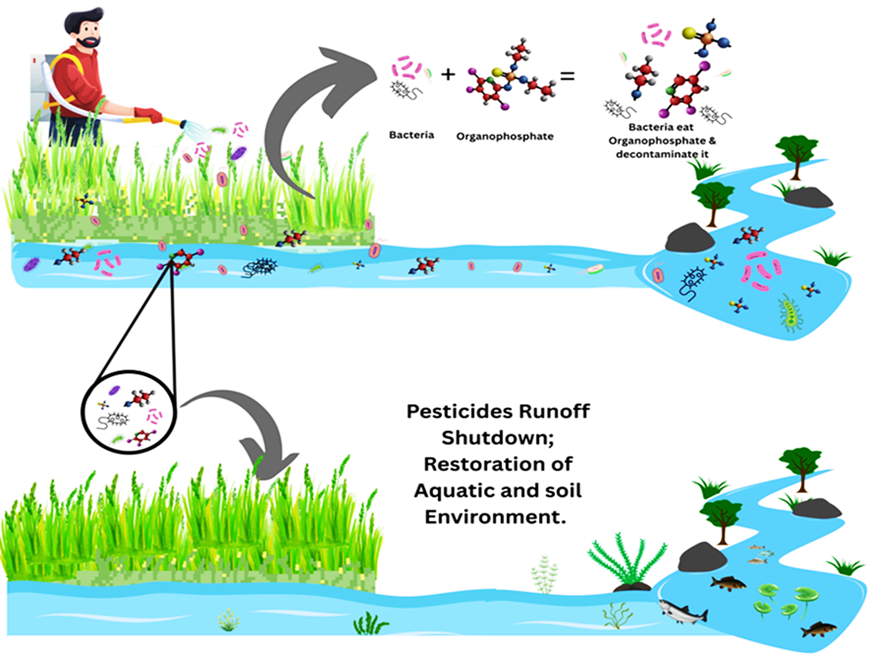
As shown in Figure 1, surface runoff remains one of the most significant pathways through which agricultural pesticides enter adjacent ponds, wetlands, and shallow water bodies. During rainfall or heavy irrigation events, residual chemicals applied to crop fields are mobilized and transported into nearby rivers, ponds, and lakes [29]. Agricultural drainage water is a major non-point source of this pollution [30]. This problem becomes particularly pronounced during the rainy or monsoon season, when intense precipitation accelerates the wash-off of pesticides from soil surfaces and can lead to increased contamination of pond water [31]. Studies in Bangladesh indicate a significant concern regarding pesticide residues in water bodies. For instance, monitoring across various upazilas has revealed the presence of different pesticide residues, including carbamates, in pond water and paddy field water [32]. While specific data for Savar and Dhamrai upazilas showing 22% of collected water samples with high levels of pesticide residues, with carbaryl being especially prevalent" were not directly found in the search results, the broader context of widespread pesticide contamination in Bangladeshi water bodies and vegetables is well-documented [33, 34]. Similar contamination patterns with diazinon and fenitrothion have been observed. Several studies have detected diazinon and fenitrothion residues in vegetables like eggplant, tomato, cauliflower, yard long beans, country beans, and hyacinth beans from various regions of Bangladesh, with some concentrations exceeding established maximum residue limits [35, 36]. While direct evidence of these specific pesticides exceeding limits in rice grains near industrial zones surrounding Dhaka wasn't explicitly found, the presence of pesticide residues in food items and the general issue of water pollution near industrial zones in Bangladesh are noted [37, 38]. Together, these findings underscore the persistent threat of pesticide runoff to aquatic ecosystems and food safety in agriculturally intensive regions. Pesticides can have long-lasting effects, contaminating surface water, groundwater, and food products, and can harm aquatic flora and fauna [37, 39]. The ecotoxicological risk posed by these chemicals to aquatic organisms is high, and long-term consumption of contaminated food may pose health risks to humans [40]. The extensive use of pesticides is a significant obstacle to sustainable agriculture, leading to the contamination of essential elements of life: food and water [41].

Figure 1. Diagram showing the incidence of pesticide runoff from agricultural fields into freshwater sources and facing challenges with pesticides degrading microbes, ultimately cleaning up the aquatic environment. 


2.3. Underlying causes and pathways of pesticide contamination in freshwater ecosystem

Excessive contamination of freshwater ecosystems with pesticide residues results from a complex interaction of agricultural practices, environmental conditions, and management-related factors, including runoff, spray drift, leaching, and improper disposal [15]. To promote sustainable water resource management, it is essential to understand the underlying causes and contributing factors. This will help us develop effective control strategies, such as integrated pest management, bioremediation, and robust monitoring [42-44]. Furthermore, the continuous release of thousands of pesticide residues into aquatic environments, particularly in regions with intensive agricultural activities, exacerbates contamination risks through mechanisms such as physical-chemical and biological degradation, sorption-desorption, surface runoff, and soil leaching [45]. Some specific underlying causes of pesticides ranoff in sweet water sources is stated below. 

i. Intensive agricultural practices

Due to the rapid expansion of agricultural land and as the rice demand increases, farmers have started to depend on chemical pesticides to enhance crop productivity. The chemical synthetics that farmers often apply to the field lead to chemical runoff into nearby rivers, ponds, and irrigation canals [46, 47].

ii. Inadequate pesticide management and application practices

A lack of awareness among farmers about technical guidance on handling toxic chemicals and pesticide application contributes to these problems. Sometimes, using banned or highly persistent pesticides, spraying before rainfall, or disposing of containers near water resources can significantly contribute to contamination [48]. 

iii. Surface runoff and soil erosion

Surface runoff mainly transports pesticides from the fields into water bodies with the help of irrigation events or rain during the monsoon season. Poor land management, deforestation, and the presence of insufficient protective vegetation around the croplands frequently cause this issue. On the contrary, soil erosion carries both soluble pesticides and contaminated sediments into aquatic systems, which also contributes to degrading the water quality [49]. 

iv. Lack of wastewater treatment and monitoring systems

Bangladesh is still facing challenges in managing its water pollution. In many developing areas of Bangladesh, agricultural drainage, industrial effluents, and domestic wastewater are discharged into natural water bodies without proper treatment [50]. As a result, pesticide residues remain unmonitored in the environment for longer periods.

3. CONSEQUENCES OF PESTICIDE RESIDUES

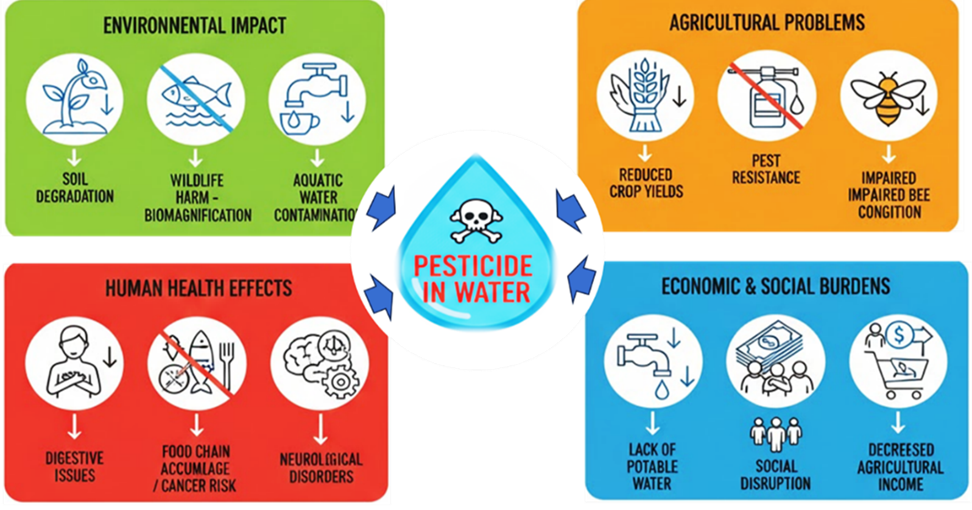
Fresh water is essential for the survival and well-being of aquatic plants and animals, as well as for human health and welfare [51-53]. However, when this clean water becomes polluted, particularly by the introduction of unexpected pesticide runoff through agricultural activities, it leading to biodiversity loss and compromised ecosystem services [52, 53]. Such pollution further puts aquatic life at risk by irritating gills, destroying protective mucous, affecting reproduction, and making organisms susceptible to infection [54]. Figure 2 represent a brief outline of harmful effects of pesticides in our ecosystems and health. The next section of this study will discussion in details. 


3.1. Toxicity of pesticides on aquatic life

Figure 2 illustrates the cascading environmental and ecological consequences of pesticide contamination in aquatic systems following entry via agricultural runoff. Key impacts include soil degradation, direct harm to wildlife, toxicity to non-target aquatic organisms, reduced crop yields due to pest resurgence, development of pesticide resistance, and declines in populations of beneficial insects and pollinators.

A key example is chlorpyrifos, a widely used organophosphate insecticide in rice farming. Long-term exposure to chlorpyrifos has been shown to adversely affect reproductive tissues in local freshwater fish, such as the banded gourami (Trichogaster fasciata). At sublethal concentrations, it induces histopathological alterations in gonads, including degeneration of ovarian and testicular tissues, while higher exposures (e.g., 500 µg/L) result in complete mortality within 15 days. Low-level chronic exposure also leads to larval malformations and impaired reproductive organ development in adults [55]. Recent assessments of pesticide stress on fish in Bangladesh reveal widespread physiological damage, including gill filament reduction and hemorrhage, liver and kidney necrosis, degeneration of reproductive organs, and developmental anomalies in embryos and larvae [56]. These effects are particularly pronounced in species inhabiting rice-adjacent water bodies exposed to runoff from paddy fields.

Pesticides induce toxicity through diverse biochemical and physiological mechanisms. Organophosphates and carbamates inhibit acetylcholinesterase, disrupting cholinergic neurotransmission in fish, amphibians, and aquatic insects [57, 58]. Pyrethroids target voltage-gated sodium channels, leading to sodium influx, neuroexcitation, and depolarization [59, 60]. Herbicides like glyphosate and atrazine disrupt photosynthetic pathways in algae and aquatic plants, thereby reducing primary productivity and cascading effects through food webs [61, 62]. Such disruptions compromise ecosystem stability by altering trophic interactions [63, 64]. At the organismal level, exposure commonly causes severe histopathological changes: gill hyperplasia, lamellar fusion, and hemorrhage; liver necrosis, vacuolation, and impaired detoxification; and kidney tubular degeneration with osmoregulatory dysfunction [65]. Reproductive toxicity manifests as reduced sperm motility, ovarian atresia, endocrine disruption, and impaired embryogenesis [66, 67]. Chronic exposure is linked to genotoxic outcomes, including DNA fragmentation, chromosomal aberrations, and compromised DNA repair [68, 69].

At population and community scales, planktonic organisms highly sensitive to xenobiotics—exhibit reduced abundance and diversity, disrupting nutrient cycling and prey availability for higher trophic levels [67]. Benthic invertebrates, crucial for decomposition and sediment health, decline under repeated pyrethroid and organophosphate exposure [70]. Pesticide mixtures often exert synergistic toxicity, amplifying mortality, altering predator-prey dynamics, and accelerating biodiversity loss [71, 72].

The multiple pathways of pesticide entry into aquatic environments, combined with their varied modes of action and broad ecological ramifications, emphasize the severity of this contamination and the critical need for sustainable mitigation approaches [73, 74]. A recent investigation of the Feni River in Bangladesh detected multiple pesticide residues including dimethoate, carbofuran, and chlorantraniliprole in surface water, with peak concentrations reaching 14.5 µg/L during the dry season. These findings highlight the escalating threat to Bangladesh's freshwater ecosystems from agricultural runoff [75].

Specific effects on aquatic life and biodiversity Pesticide residues from paddy fields exert profound harm on aquatic organisms, including fish, amphibians, invertebrates, and microorganisms. This frequently results in biodiversity crises, disrupted food webs, altered community structures, and potential local extirpation of sensitive species, leading to long-term ecological imbalance [76, 77]. Ecosystem functions Freshwater ecosystems support essential processes such as nutrient cycling, organic matter decomposition, and natural water purification. Pesticide contamination impairs these functions by reducing beneficial microbial populations, disrupting microbial interactions, and diminishing overall ecosystem resilience and productivity [78].

Bioaccumulation and biomagnification Persistent, lipophilic pesticides resistant to degradation accumulate in sediments and biota, magnifying concentrations up the food chain. This process heightens toxicity to predators, disrupts trophic balance, threatens wildlife (e.g., birds and mammals), and poses direct human health risks through consumption of contaminated water, fish, or crops [79].

Figure 2. Impacts of pesticide contamination across environmental, agricultural, human health, and socioeconomic sectors.


3.2. Food security and human health implications 

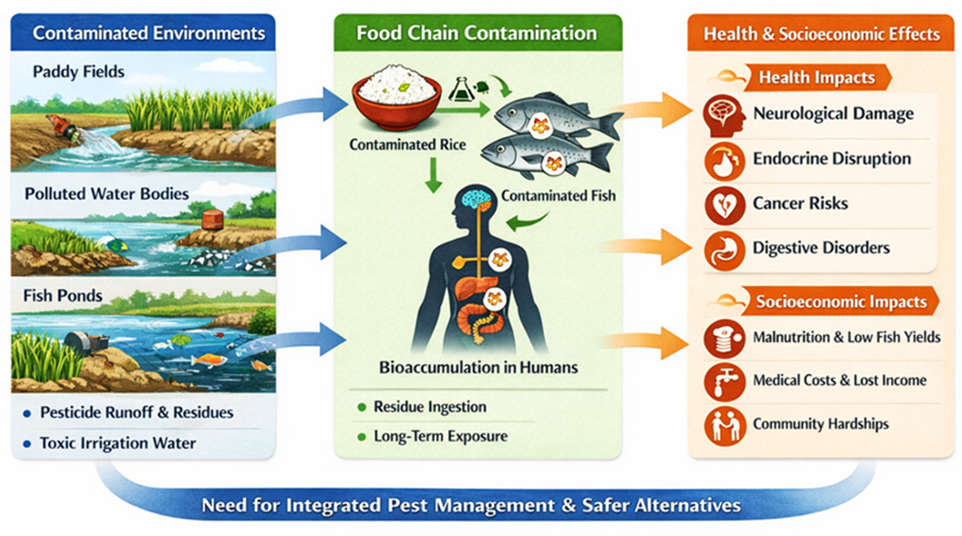
As illustrated in Figure 2, pesticide contamination of irrigation water and adjacent freshwater bodies not only degrades aquatic ecosystems but also poses direct and indirect risks to human health through the food chain. In Bangladesh, where rice is the primary staple crop and fish constitutes a major protein source (often sourced from rice-field-adjacent ponds, canals, and rivers), pesticide residues can transfer from contaminated water into rice grains and edible fish tissues. Chronic, low-level dietary exposure via frequent consumption of such contaminated rice and fish leads to bioaccumulation in human tissues, potentially resulting in long-term adverse health outcomes, including digestive disorders, neurological impairments, endocrine disruption, reproductive issues, and elevated risks of various cancers [80-82].

Studies in Bangladesh have documented pesticide residues exceeding FAO/WHO maximum residue limits (MRLs) in approximately 25% of rice samples and in fish from rice-paddy ecosystems, amplifying concerns over food safety and chronic toxicity [12, 27]. For instance, organophosphate and carbamate residues in rice and fish have been linked to acetylcholinesterase inhibition, contributing to neurotoxic effects such as dizziness, headaches, memory impairment, and developmental delays in children [56, 81]. Prolonged exposure is also associated with increased carcinogenic potential, particularly for compounds like certain organochlorines (legacy residues) and organophosphates, with target cancer risk assessments indicating exceedances of acceptable thresholds (e.g., 10⁻⁶) in some dietary scenarios [80, 29].

These health risks intersect with broader food security challenges in rice-dependent regions. Excessive pesticide reliance, while aimed at boosting yields to meet national food demands, paradoxically undermines long-term agricultural sustainability through pest resistance, soil degradation, loss of beneficial insects, and reduced ecosystem services (e.g., natural pollination and biological control) [14, 27]. Contaminated irrigation water further compromises rice quality and yield stability, while declining fish catches from polluted water bodies reduce dietary protein diversity and exacerbate malnutrition risks in rural communities [12, 81]. Socioeconomic burdens compound these issues, including elevated healthcare costs from pesticide-related illnesses (acute poisoning in farmers and chronic effects in consumers), reduced agricultural income due to environmental degradation, limited access to safe water, and social disruptions in fishing-dependent households [81, 82].

Figure 3. Conceptual diagram illustrating the pathways of pesticide contamination from rice agroecosystems to the food chain and associated implications for food security and human health in Bangladesh. Pesticide runoff from paddy fields contaminates irrigation water and adjacent aquatic systems, leading to residue accumulation in rice and fish.


Overall, the interconnected environmental, health, and socioeconomic consequences of pesticide overuse in rice farming underscore the urgent need for integrated mitigation strategies. These include stricter regulatory enforcement, promotion of integrated pest management (IPM), adoption of safer alternatives, and microbial bioremediation approaches (e.g., endophytic bacteria for in planta pesticide degradation) to reduce residues in rice, drainage water, and aquatic food chains, thereby safeguarding both food security and public health in Bangladesh [26, 73, 74]. Figure 3 summarizes the pathways linking pesticide use in rice-based agroecosystems to food chain contamination and associated human health and socioeconomic impacts. Pesticide runoff from paddy fields contaminates surrounding water bodies, facilitating residue accumulation in rice and fish. Subsequent dietary exposure may lead to bioaccumulation in humans and contribute to various health risks, while also affecting fish productivity and rural livelihoods. The diagram highlights the interconnected environmental, food security, and public health implications of pesticide contamination.

4. WATER QUALITY DEGRADATION AND PESTICIDE TRENDS IN ASIA

Frequent use of pesticides, such as rodenticides, bactericides, and fungicides, can severely damage water ecosystems [83, 84]. Pesticides can eradicate beneficial bacteria from the water, Fungicides and bactericides, affect fungi or bacteria and can interfere with the metabolic processes of non-target aquatic microorganisms [85, 86]. This can lead to undesirable effects on microbial communities that are fundamental for biogeochemical cycling [87]. Pesticide residues can also increase levels of ammonium, nitrite, nitrate, and sulfate in aquatic systems, further compromising water quality [88-90]. When pesticides disrupt these microbial communities and their activities, such as denitrification, they directly impair the ecosystem's natural ability to cleanse itself [91, 92]. Inhibited water bodies may suffer from algal blooms, loss of dissolved oxygen, and habitat loss [66]. Pesticide toxicity can decrease dissolved oxygen in water bodies [66], and the nutrient pollution often associated with agricultural runoff can trigger algal blooms and alter species composition, leading to anoxic conditions [93]. The overall impact of pesticides on water quality and aquatic species can also contribute to the loss of aquatic habitats [66, 79]. Table 2 summarizes the incidence of pesticide use, their environmental persistence, and associated ecological and human health impacts across Asia over the past 20–30 years. Data compiled from FAO databases and national statistics indicate that pesticide consumption in several Asian countries has risen by up to 400%, reflecting growing chemical dependence in modern farming systems [93]. Vietnam, for example, has shown a continuous increase in pesticide use since the late 1980s as part of its agricultural intensification strategy [93]. A similar trend is evident in Bangladesh, where pesticide imports escalated sharply from approximately 3,000 metric tons in 1990 to more than 45,000 metric tons by 2021, paralleling the rapid expansion of rice and vegetable cultivation [94]. Residue surveillance studies further reveal that a substantial proportion of agricultural produce exceeds FAO/WHO maximum residue limits, highlighting emerging food safety concerns [94]. Despite the introduction of regulatory frameworks, the continued use and circulation of highly hazardous pesticides (HHPs), including WHO Class Ia and Ib compounds, remain widespread in many Asian countries. Regulatory reviews and field surveys indicate that weak enforcement mechanisms and policy gaps allow banned or restricted pesticides to persist in local markets, posing long-term environmental and public health risks [95]. The ecological consequences of such practices are well documented [96]. Environmental persistence of pesticides represents another major concern. Monitoring studies from Thailand and China demonstrate that residues of organochlorine and organophosphorus pesticides banned between 1994 and 2000 are still detectable in agricultural soils and rice grains decades later [97]. In Bangladesh, although 21 hazardous pesticides were officially banned between 1996 and 2007, residues continue to be reported in soils, water bodies, and crop samples, reflecting the high stability and slow degradation rates of these compounds [98]. Aquatic contamination has emerged as a dominant pathway of pesticide dissemination. Surface and groundwater monitoring in Japan, Vietnam, and parts of Europe consistently report pesticide concentrations exceeding drinking water standards, including the European threshold of 0.1 mg/L [99,100]. Field-scale studies in paddy ecosystems indicate that approximately 8–22% of applied herbicides and insecticides are lost through surface runoff, with comparable trends observed across Malaysia and Southeast Asia, underscoring the vulnerability of freshwater ecosystems to agricultural pollution [101, 102].

Table 2. Current trends in pesticide use, environmental persistence, and ecological impacts across Asian agricultural systems.

Study focusMethodological approachKey findings

Implications for 

aquatic environments

Ref.
1.Regional trends in pesticide use in AsiaHistorical surveys, FAO statistics, national datasetsPesticide use increased up to 400% across several Asian countries due to intensified agriculture and export-oriented crop productionDemonstrates rapid chemical intensification and growing environmental pressure on agroecosystems[29]
2.Pesticide consumption trends in BangladeshNational agricultural statistics and import recordsImports increased from ~3,000 metric tons (1990) to >50,000 metric tons (2022); residues exceeding FAO/WHO limits detected in ~25% of rice and ~40% of vegetablesIndicates rising chemical dependency and potential food safety concerns[30]
3.Continued use of highly hazardous pesticides (HHPs)Regulatory reviews and field surveysWHO Class Ia/Ib pesticides remain in circulation in several Asian countries despite regulatory bansWeak enforcement contributes to environmental persistence and human exposure risks[94]
4.Pest resurgence associated with pesticide overuseLong-term field observations and ecological studiesIntensive insecticide use linked to outbreaks of brown planthopper (BPH) in rice systemsDisruption of natural predators undermines ecological pest regulation[95]
5.Environmental persistence of banned pesticidesResidue monitoring and chemical analysesOrganochlorine and organophosphorus pesticides banned in the 1990s remain detectable in soils and rice grains decades laterLegacy contaminants pose long-term threats to soil health and food safety[96]
6.National pesticide bans in BangladeshPolicy and regulatory analysisBangladesh banned 21 highly hazardous pesticides (1996–2007)Continued environmental detection indicates slow degradation and persistent contamination[97]
7.Pesticide contamination of surface and groundwaterEnvironmental monitoring studiesResidues frequently exceed drinking-water safety thresholds (e.g., 0.1 mg/L standard in Europe)Demonstrates extensive transport via runoff and leaching into freshwater ecosystems[98,99]
8.Runoff losses from paddy fieldsField-scale pesticide transport measurements

Approximately 8–22% of 

applied pesticides lost via 

runoff in paddy systems

Paddy agriculture is a significant contributor to freshwater pesticide pollution[100,101]
9.Food contamination and dietary exposureCrop residue analyses

Organophosphate and carbamate residues detected 

in harvested rice grains

Indicates transfer of pesticide residues from soil and water into the human food chain[99,103]
10.Occupational exposure among farmersFarmer surveys and PPE assessmentsPesticide application rates 1.2-11x higher than recommended with low PPE usageOccupational health risks and need for training and safer pest management strategies[100, 104]

5. BIOREMEDIATION OF PESTICIDE CONTAMINATION

5.1. Effectiveness and mechanisms

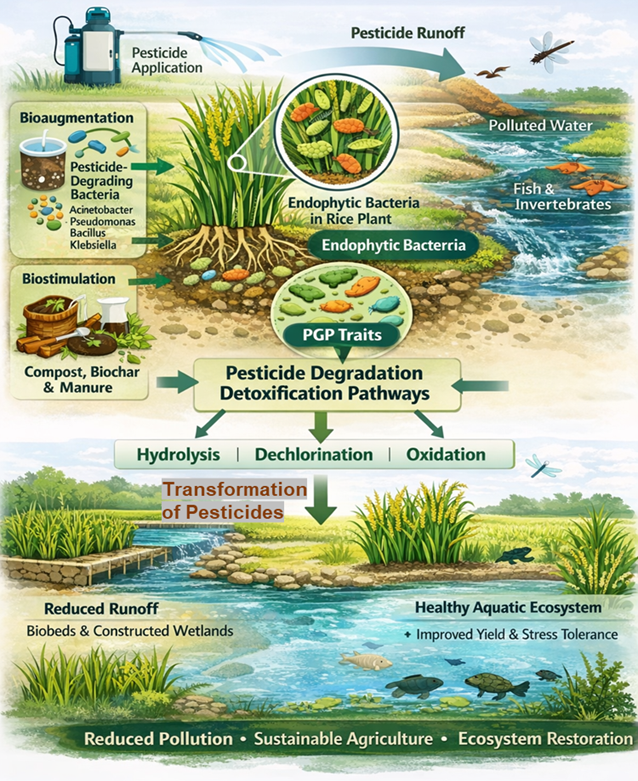
Bioremediation offers a sustainable, cost-effective, and environmentally benign strategy for mitigating pesticide residues leaching from rice paddies into freshwater systems [105]. Microorganisms including bacteria, fungi, cyanobacteria, and algae naturally abundant in paddy soils and floodwater can metabolize a wide range of xenobiotics, transforming highly toxic parent compounds into less harmful or non-toxic metabolites through enzymatic pathways such as hydrolysis, oxidation, dechlorination, and conjugation [106, 107]. The following section and Figure 4 illustrated overall mechanism of bioremediation of pesticide residues by endophytic, rhizospheric bacteria and other microorganisms.

5.1.1. Bioaugmentation

Bioaugmentation involves the deliberate introduction of selected pesticide-degrading microbial strains or consortia into contaminated paddy soils, floodwater, or engineered systems (e.g., biobeds) to enhance degradation rates [106, 108]. Indigenous or enriched isolates, particularly from genera Acinetobacter, Pseudomonas, Bacillus, and Klebsiella, have demonstrated high efficacy against organophosphates (e.g., chlorpyrifos, methyl parathion, diazinon) and carbamates (e.g., carbofuran) under flooded conditions [109-112]. These consortia utilize organophosphorus hydrolases (OPH/Opd), carboxylesterases, and cytochrome P450-mediated oxidation to cleave P–O, C–O, or C–S bonds, often achieving >80–90% degradation within days to weeks [113-115]. Field-relevant applications include direct inoculation into paddy water, seed coating, or integration into constructed wetlands and biobed systems, which intercept drainage and reduce downstream aquatic exposure [108].

5.1.2. Biostimulation

Biostimulation enhances the activity of native pesticide-degrading populations by amending soils or floodwater with low-cost organic substrates (e.g., compost, biochar, manure) or adjusting nutrient ratios (C:N:P) to favor degraders [116, 117]. In rice fields, this approach exploits naturally tolerant microbial biofilms and consortia that proliferate under alternating redox conditions [118]. Organic amendments stimulate cometabolic degradation and increase the abundance of key taxa (Pseudomonas, Bacillus, Enterobacter), leading to accelerated breakdown of residual organophosphates and pyrethroids without external strain introduction [117, 119].

5.1.3. Role of specific microbial groups in pesticide degradation

Paddy ecosystems, characterized by periodic flooding and redox fluctuations, support diverse microbial communities adapted to anaerobic and aerobic niches [118].

Bacteria: Aerobic genera (Pseudomonas nitroreducens, Bacillus subtilis, Acinetobacter, Klebsiella) dominate organophosphate and carbamate degradation via phosphotriesterases, esterases, and oxidative pathways [110, 113]. Anaerobic conditions favor reductive dechlorination and sulfur metabolism by taxa such as Enterobacter and Alcaligenes faecalis [112, 115].

Fungi and Actinomycetes: Ligninolytic fungi (Phanerochaete chrysosporium) and actinomycetes (Rhodococcus, Streptomyces) utilize extracellular peroxidases, laccases, and monooxygenases to transform recalcitrant organochlorines, triazines, and pyrethroids into degradable intermediates [107, 120, 121].

Cyanobacteria and Algae: Phototrophic organisms (Anabaena oryzae, Nostoc muscorum) contribute to pesticide uptake, adsorption, and metabolic detoxification in floodwater, although many are sensitive to herbicides that inhibit photosynthesis [122, 123].

Figure 4. Bioremediation of pesticide runoff by endophytic bacteria in rice agroecosystems. Endophytic and rhizospheric bacteria colonizing rice roots and tissues contribute to bioremediation. These microorganisms produce key degradative enzymes such as organophosphorus hydrolases (OPH), carboxylesterases, and cytochrome P450 monooxygenases that catalyze hydrolysis, oxidation, and dechlorination reactions, transforming toxic pesticide molecules into less harmful or non-toxic metabolites. In addition to detoxification, many endophytic bacteria exhibit plant growth–promoting (PGP) traits, including nitrogen fixation and indole-3-acetic acid (IAA) production, which enhance rice growth, stress tolerance, lower aquatic toxicity, and support ecosystem restoration.


5.2. Prospects for Sustainable Agroecosystems and Biodiversity Restoration Using Pesticide-Degrading Bacteria

Recent isolation and characterization of chlorpyrifos-mineralizing endophytic consortia from rice tissues (roots, stems, leaves) have revealed strains with dual functionality: efficient pesticide degradation and plant growth promotion (PGP) traits, including nitrogen fixation, phosphate solubilization, indole-3-acetic acid production, and ACC deaminase activity [109, 124]. These consortia significantly reduce in planta residues and support rice growth under reduced fertilizer regimes [115]. Complementary studies confirm that rice endophytes (Pseudomonas, Bacillus, Klebsiella sp. HSTU-F2D4R, Alcaligenes faecalis, Metabacillus indicus) mineralize organophosphates while enhancing yield and stress tolerance (e.g., salinity) via hormone modulation, antioxidant upregulation, and ion homeostasis [109, 125].

Table 3. Bacterial genera involved in pesticide biodegradation in agricultural ecosystems, their target pesticides, degradation mechanisms, and contributions to agroecosystem sustainability and biodiversity restoration.

Bacterial genus /speciesMajor pesticide(s) degradedCrop / agroecosystem relevanceDegradation mechanismsRole in sustainability & biodiversity restoration

Ref.


Pseudomonas putidaParathion, chlorpyrifos, carbofuranVegetables, cerealsOrganophosphorus hydrolase, esterasesReduces residue toxicity; improves microbial diversity[109,115, 124]
Pseudomonas fluorescensEndosulfan, chlorpyrifosRice, vegetables

Oxidation,

hydrolysis

Enhances rhizosphere stability; biocontrol synergy[110]
Bacillus subtilisChlorpyrifos, diazinon, endosulfan, λ-cyhalothrinField crops, horticulturePhosphotriesterase, hydrolasesImproves soil fertility and plant vigor[111,126, 129]
Bacillus cereusCarbofuran, malathion, β Cypermethrin, deltamethrin, imidacloprid, fipronil, sulfosulfuron, chlorpyrifosVegetable cropsCarbamate hydrolaseDetoxification of soil and groundwater[127,128]
Acinetobacter sp.Diazinon, carbaryl, profenofosRice-based systemsCarboxylesterase, oxidoreductasesRhizosphere restoration; reduced ecotoxicity[123]
Enterobacter cloacaeChlorpyrifos, cypermethrinCereals, vegetablesEsterase, hydrolaseImproves rhizosphere resilience

[26,123,

131]

Sphingobium japonicumHexachlorocyclohexane (HCH)Legacy-polluted farmlandsLin pathway enzymesReclaims historically polluted soils[132]
Enterobacter asburiaeImidacloprid, chlorpyrifosVegetable ecosystemsOxidative degradationSupports beneficial insect recovery[26]
Cupriavidus necator2,4-D, organophosphatesCropping systemsOxygenase-mediated degradationImproves ecosystem resilience[133]
Rhodococcus erythropolisPyrethroids, triazines, Cypermethrin, pretilachlorBroad agroecosystemsMonooxygenases, hydrolasesDetoxifies persistent residues[134]
Stenotrophomonas maltophiliaChlorpyrifos, endosulfanRice ecosystemsEsterase, dechlorinationSupports aquatic biodiversity recovery[130]
Paenibacillus polymyxaChlorpyrifos (co-metabolism)Integrated farming systemsCo-metabolic degradationPlant growth promotion remediation[135]
Azospirillum brasilenseOrganophosphate residues (low-level)Stress-prone soilsCo-metabolism, PGPR traitsEnhances crop tolerance and biodiversity[112]

Table 3 describing the phylogenetic and functional diversity of pesticide-degrading bacteria relevant to paddy agroecosystems. Dominant genera (Pseudomonas, Bacillus, Acinetobacter, Sphingomonas, Enterobacter, Klebsiella, Alcaligenes faecalis) exhibit broad-spectrum activity against organophosphates (chlorpyrifos, diazinon), carbamates (carbofuran), pyrethroids (cypermethrin), and neonicotinoids (imidacloprid) through hydrolytic enzymes (Opd, OPH, carboxylesterases), oxidative pathways (monooxygenases, P450s), and dechlorination [126-141]. Many also display PGP traits and salinity tolerance, enabling synergistic remediation and productivity benefits [139, 140, 142]. By facilitating in planta detoxification, these endophytes intercept residues before runoff, substantially reducing ecotoxicological pressure on downstream aquatic communities (fish, invertebrates, plankton) and promoting biodiversity recovery in rice-wetland interfaces [143, 144]. 

6. CONCLUSION

Pesticide residues from rice paddies posed a great threat to the adjacent aquatic ecosystems. Sometimes the effect is so severe that it’s escalating environmental concern. While these toxic chemicals are the leading cause of immediate mortality and environmental issues in non-target aquatic life (like fish and invertebrates), they are also persistent pollutants that are destroying the food chain, jeopardizing the ecosystems, and compromising food safety. To mitigate this lethal environmental contamination, an optimal mechanism would be bioremediation. This biologically driven solution represents the most effective, economical, and sustainable approach by utilizing the advanced catabolic machinery of environmental microbes (bacteria and fungi). This technique can surely accelerate the mineralization of persistent residues by implementing enhanced strategies like bio stimulation (boosting native microbe activity) and bioaugmentation (introducing highly efficient degrader strains). In conclusion, the large-scale strategic adoption of bioremediation is not just an option but a vital step for saving the environment. It offers the best pathways to successfully degrade these toxic residues, thus securing the long-term health, biodiversity, and ecological productivity of freshwater resources interwoven with rice cultivation.

Future Directions

In the context of restoration ecology and sustainable agriculture, several key research and development priorities are recommended:

i. Field trials of endophytic bacterial formulations should be conducted to rigorously evaluate their real-world efficacy in reducing pesticide residues in soil, plant tissues, and drainage water—an essential step in translating laboratory findings into agricultural practice [145].

ii. In this regard, formulations of endophytic strains possessing both PGP traits and biodegradation capacities for pesticides (e.g., chlorpyrifos, diazinon) have been developed using newly designed growth chambers capable of producing biofertilizer formulations within two days, suitable for efficient rice field application.

iii. Monitoring downstream aquatic ecosystems (e.g., canals, ditches) is crucial for assessing pesticide load reduction and tracking biodiversity recovery following bioinoculant application, as pesticide runoff has been shown to significantly affect aquatic ecosystems [146].

iv. Molecular and omics-level analyses, including metagenomics and transcriptomics, are needed to elucidate interactions between introduced endophytes, native microbial communities, and plant metabolism, ultimately providing insights into long-term ecosystem resilience and functional stability.

v. Development of robust bioformulation technologies is essential to ensure the stable colonization and persistence of beneficial endophytes across various growth stages and environmental conditions. Such technologies will help protect endophytes from environmental stressors and enable sustained biodegradative and growth-promoting activity in the field.

By amplifying and translating our research findings into an ecosystem-level remediation strategy, the potential of endophytic bacteria can be effectively harnessed not only for enhancing crop productivity and soil health but also for achieving comprehensive environmental protection and biodiversity restoration in rice-based agroecosystems.

ACKNOWLEDGEMENTS

The authors gratefully acknowledge the contributions of all co-authors to the conceptualization, analysis, and preparation of this study. Financial support for this work was provided by BRAC Microfinance, Dhaka, Bangladesh. The authors also note that limited AI-assisted tools (about 13%) were used primarily for language editing and creating diagram, in accordance with the journal’s editorial policy (≤15%).

FUNDING SOURCES

This research was supported by the grants (BPD/2025/PO-1890) from an NGO named BRAC microfinance, Dhaka, Bangladesh.  

CONFLICTS OF INTEREST

The authors declare no conflicts of interest.

ETHICS STATEMENT

This study did not involve any experiments on human participants or animals; therefore, formal written informed consent was not required by the Institutional Review Board. All figures in this study were created; therefore, no permission for reuse is required for any figure presented herein.  

References

  1. Kabir KH, Aftab S. Exploring management strategies for freshwater wetlands: policy options for southwest coastal region in Bangladesh. Asian Dev Policy Rev. 2017;5(2):70-80.
  2. Siddiquee SA, Hoque ME. Wetland conservation in context of climate induced changes: Bangladesh perspective. J Econ Sustain Dev. 2011;2(3):1-8.
  3. Sohel MSI, Mukul SA, Chicharo L. A new ecohydrological approach for ecosystem service provision and sustainable management of aquatic ecosystems in Bangladesh. Ecohydrol Hydrobiol. 2015;15(1):1-12. doi: 10.1016/j.ecohyd.2014.12.001
  4. Islam MM. Unravelling the complexities of wetland agriculture, climate change, and coping mechanisms: an integrative review using economics and satellite approaches. Environ Dev Sustain. 2024:1-33. doi:10.1007/s10668-024-04579-0
  5. Boral Doal D, Mannan MA, Rahman MM, Higuchi H. Groundwater use efficiency for sustainable agriculture: prospects in Bangladesh. Big Data Water Resour Eng. 2023.
  6. Khan ZH, Islam MS, Akhter S, Hasib MR, Sutradhar A, Timsina J, Krupnik TJ, Schulthess U. Can crop production intensification through irrigation be sustainable? An ex-ante impact study of the south-central coastal zone of Bangladesh. PLOS Water. 2024;3(2): e0000153. doi: 10.1371/journal.pwat.0000153
  7. Shamsudduha M, Taylor RG, Haq MI, Nowreen S, Zahid A, Ahmed KMU. The Bengal water machine: quantified freshwater capture in Bangladesh. Science. 2022;377(6612):1315-1319. doi:10.1126/science. abn2508
  8. Hasanuzzaman M, Rahman MA, Islam MS, Salam MA, Nabi MR. Pesticide residues analysis in water samples of Nagarpur and Saturia Upazila, Bangladesh. Appl Water Sci. 2018;8(1):8. doi:10.1007/s13201-018-0664-1
  9. Laurent A, Faragò M, Secchi M. Globally-differentiated land use flow inventories for life cycle impact assessment. In: SETAC Europe 27th Annual Meeting: Environmental Quality Through Transdisciplinary Collaboration; 2017:167.
  10.  Khatib I, Rychter P, Falfushynska H. Pesticide pollution: detrimental outcomes and possible mechanisms of fish exposure to common organophosphates and triazines. J Xenobiot. 2022;12(3):236-265. doi:10.3390/jox12030018
  11. Pesce S, Mamy L, Sanchez W, et al. Main conclusions and perspectives from the collective scientific assessment of the effects of plant protection products on biodiversity and ecosystem services along the land–sea continuum in France and French overseas territories. Environ Sci Pollut Res. 2025;32(6):2757-2772. doi:10.1007/s11356-024-33026-1
  12. Villamarín C, Cañedo-Argüelles M, Carvajal-Rebolledo C, Ríos-Touma B. Effects of pesticides on the survival of shredder Nectopsyche sp. (Trichoptera) and leaf decomposition rates in tropical Andes: a microcosm approach. Toxics. 2022;10(12):720. doi:10.3390/toxics10120720
  13. Stehle S, Schulz R. Agricultural insecticides threaten surface waters at the global scale. Proc Natl Acad Sci U S A. 2015;112(18):5750-5755. doi:10.1073/pnas.1500232112
  14. Zhou W, Li M, Achal V. A comprehensive review on environmental and human health impacts of chemical pesticide usage. Emerg Contam. 2025;11(1):100410. doi: 10.1016/j.emcon.2024.100410
  15. Kadiru S, Patil S, D’Souza R. Effect of pesticide toxicity in aquatic environments: a recent review. Int J Fish Aquat Stud. 2022;10(3):113-118.
  16. Brasseur MV, Buchner D, Mack L, Schreiner VC, Schäfer RB, Leese F, Mayer C. Multiple stressor effects of insecticide exposure and increased fine sediment deposition on gene expression profiles of two freshwater invertebrate species. Environ Sci Eur. 2023;35(1):81. doi:10.1186/s12302-023-00785-6
  17. Góngora CE, Silva MDC. Sustainable strategies for the control of crop diseases and pests to reduce pesticides. Agronomy. 2024;14(9):2158. doi:10.3390/agronomy14092158
  18. Datta S, Singh S, Kumar V, Dhanjal DS, Sidhu GK, Amin DS, Singh J. Endophytic bacteria in xenobiotic degradation. In: Verma SK, White JF, eds. Microbial Endophytes. Woodhead Publishing; 2020:125-156. doi:10.1016/B978-0-12-818734-0.00006-6
  19. Manganyi MC, Dikobe TB, Maseme MR. Exploring the potential of endophytic microorganisms and nanoparticles for enhanced water remediation. Molecules. 2024;29(12):2858. doi:10.3390/molecules29122858
  20. Feng NX, Yu J, Zhao HM, Cheng YT, Mo CH, Cai QY, Wong MH. Efficient phytoremediation of organic contaminants in soils using plant–endophyte partnerships. Sci Total Environ. 2017; 583:352-368. doi: 10.1016/j.scitotenv.2017.01.075
  21. Sustainable crop production. In: Woodhead Publishing Series in Food Science, Technology and Nutrition. Elsevier; 2023:237-271. doi:10.1016/B978-0-323-85702-4.00019-4
  22. Chen WM, Tang YQ, Mori K, Wu XL. Distribution of culturable endophytic bacteria in aquatic plants and their potential for bioremediation in polluted waters. Aquat Biol. 2012;15(2):99-110. doi:10.3354/ab00418
  23. Obi LU, Akinyemi MO, Alayande KA, Adeleke RA. Application of endophytes in bioremediation, biotransformation, and water disinfection for irrigation systems. In: Enhancing Water and Food Security Through Improved Agricultural Water Productivity. Springer Nature Singapore; 2025:117-137.
  24. Salam MTB, Ito K, Kataoka R. Biodegradation of nitenpyram by endophytic bacterium Bacillus thuringiensis strain NIT-2 isolated from neonicotinoid-treated plant samples. J Pestic Sci. 2024;49(2):94-103. doi:10.1584/jpestics. D23-046
  25. Faridy N, Torabi E, Pourbabaee AA, Osdaghi E, Talebi K. Efficacy of novel bacterial consortia in degrading fipronil and thiobencarb in paddy soil. Front Microbiol. 2024; 15:1366951. doi:10.3389/fmicb.2024.1366951
  26. Prodhan MY, Rahman MB, Rahman A, Akbor MA, Ghosh S, Nahar MNEN, et al. Characterization of growth-promoting activities of consortia of chlorpyrifos-mineralizing endophytic bacteria naturally harboring in rice plants a potential biostimulant to develop safe and sustainable agriculture. Microorganisms. 2023;11(7):1821. doi:10.3390/microorganisms11071821
  27. Rahaman MM, Islam KS, Jahan M. Rice farmers’ knowledge of the risks of pesticide uses in Bangladesh. J Health Pollut. 2018;8(20):181203. doi:10.5696/2156-9614-8.20.181203
  28. Sumon KA, Rico A, Ter Horst MM, Van den Brink PJ, Haque MM, Rashid H. Risk assessment of pesticides used in rice-prawn concurrent systems in Bangladesh. Sci Total Environ. 2016; 568:498-506. doi: https://doi.org/10.1016/j.scitotenv.2016.06.014 
  29. Mithu MMU, Shormela SA, Abdullah ATM, et al. Exploring heavy metal bioaccumulation in vegetables: unraveling environmental pollutants' impact on agricultural produce and human health. Biol Trace Elem Res. 2025. doi:10.1007/s12011-025-04871-z
  30. Braschi I, Blasioli S, Lavrnić S, Buscaroli E, Di Prodi K, Solimando D, Toscano A. Removal and fate of pesticides in a farm constructed wetland for agricultural drainage water treatment under Mediterranean conditions (Italy). Environ Sci Pollut Res. 2022;29(5):7283-7299. doi:10.1007/s11356-021-16033-4
  31. da Silva Santarossa MA, Coleone AC, de Mello NP, Ignácio NF, Machado AA, Marques Silva JR, Velini ED, Machado Neto JG. Contamination of fee-fishing ponds with agrochemicals used in sugarcane crops. SN Appl Sci. 2020;2(9):1498. doi:10.1007/s42452-020-03274-0
  32. Mithu MMU, Shormela SA, Islam MS, Mubarak M. FTIR analysis of pesticide active ingredients into seasonal vegetables: ensuring food safety and raising awareness. J Glob Innov Agric Sci. 2025; 13:139-147. doi:10.22194/JGIAS/25.1463
  33. Ahmed MS, Prodhan MDH, Begum A, Afroze M, Dutta NK. Pesticide residue contamination in eggplant and hyacinth bean at eight different regions of Bangladesh. Asian-Australas J Food Saf Secur. 2024;8(2):67-74. doi:10.3329/aajfss. v8i2.77605
  34. Islam MA. Health risk assessment of pesticide residues in vegetables collected from northern part of Bangladesh. Food Res. 2020;4(6):2281-2288.
  35. Ahmed MS, Rahman MA, Begum A, Chowdhury AZ, Reza MS. Multi insecticide residue analysis in vegetables collected from different regions of Bangladesh. Asian-Australas J Biosci Biotechnol. 2016;1(3):547-551. doi:10.3329/aajbb. v1i3.64036
  36. Ahmed MS, Begum A, Prodhan MDH, Afroze M, Sarker D. Organophosphorus pesticide residues detected in eggplant and tomato samples collected from different regions of Bangladesh. Asian-Australas J Food Saf Secur. 2021;5(1):27-31. doi:10.3329/aajfss. v5i1.55015
  37. Miah MH, Chand DS, Malhi GS. Selected river pollution in Bangladesh based on industrial growth and economic perspective: a review. Environ Monit Assess. 2023;195(1):98. doi:10.1007/s10661-022-10663-y
  38. Parvin F, Haque MM, Tareq SM. Recent status of water quality in Bangladesh: a systematic review, meta-analysis and health risk assessment. Environ Chall. 2022; 6:100416. doi: 10.1016/j.envc.2021.100416
  39. Wakiluzzaman SM. (2025). Public Health Implications of Pesticide Use in Bangladesh: A Comprehensive Review. International Journal of Research and Scientific Innovation, 259. https://doi.org/10.51244/ijrsi.2025.121500025p
  40. Acharya S, Upadhayay HR, Houbraken M, Bajracharya RM, Spanoghe P. Occurrence of unapproved pesticides and their ecotoxicological significance for an agriculturally influenced reservoir and its tributaries in Nepal. Water Air Soil Pollut. 2023;234(9):565. doi:10.1007/s11270-023-06570-8
  41. Hasan MM, Farouque MG, Sarker MA. An assessment of using eco-friendly crop production practices by the project beneficiaries and non-beneficiaries in Bangladesh. Discover Agric. 2024;2(1):21. doi:10.1007/s44279-024-00034-1
  42. Salma U, Shafiujjaman M, Al Zahid M, Faruque MH, Habibullah-Al-Mamun M, Hossain A. Widespread use of antibiotics, pesticides, and other aqua-chemicals in finfish aquaculture in Rajshahi District of Bangladesh. Sustainability. 2022;14(24):17038. doi:10.3390/su142417038
  43. Ndayambaje B, Amuguni H, Coffin-Schmitt J, Sibo N, Ntawubizi M, VanWormer E. Pesticide Application Practices and Knowledge among Small-Scale Local Rice Growers and Communities in Rwanda: A Cross-Sectional Study. Int J Environ Res Public Health. 2019 Nov 28;16(23):4770. doi: 10.3390/ijerph16234770.
  44. Yang X, Silva V, Tang DW. Pesticide transport under runoff-erosion potentially dominated by small sediments: a glyphosate and AMPA experiment. J Hydrol. 2025;133633. doi: 10.1016/j.jhydrol.2025.133633
  45. Nurullah ABM, Khatun MS, Ritchie L. Industrial wastewater disposal and its socio-environmental consequences: evidence from the Uttara Export Processing Zone, Bangladesh. Sustainability. 2025;17(17):7716. doi:10.3390/su17177716
  46. Ari IRD, Wijatmiko I, Santosa H, Prayitno G. Empowering smart health cities through innovative water management strategies. Int J Sustain Dev Plan. 2024;19(8). doi:10.18280/ijsdp.190816
  47. Yadav SC. Water pollution: the problems and solutions. Science Insights. 2024;44(2):1245-1251. doi:10.15354/si.24.re905
  48. De Carvalho FG, Loyau A, Kelly-Irving M, Schmeller DS. Aquatic ecosystem indices, linking ecosystem health to human health risks. Biodivers Conserv. 2025;34(3):723-767. doi:10.1007/s10531-025-03010-3
  49. Gupta LK, Pandey M, Raj PA, Shukla AK. Fine sediment intrusion and its consequences for river ecosystems: a review. J Hazard Toxic Radioact Waste. 2023;27(1):04022036. doi:10.1061/(ASCE)HZ.2153-5515.0000729
  50. Khan WA, Ali S, Shah SA. Water pollution: sources and its impact on human health, control and managing. J Int Coop Dev. 2022;5(1):69. doi:10.36941/jicd-2022-0005
  51. Yusof NADM, Voon NSMF, Nordin N, Karuppiah K, Jamil PASM. Pollution in modern cities: a comprehensive overview with focus on eye health and medical imaging. In: Environmental Sciences: Urban Pollution‑Environmental Challenges in Healthy Modern Cities. IntechOpen. 2024. doi:10.5772/intechopen.1007548
  52. Sahoo S, Baral N, Nayak A, Naik A, Behera D, Mahapatra M, Sahoo JP. Effect of pesticides on human health and biodiversity: a comprehensive insight. Bhartiya Krishi Anusandhan Patrika. 2024;39(2):115-124. doi:10.18805/BKAP734
  53. Wang J, Wang Z, Dou Y, Cong J, Sun H, Wang L, Duan Z. Ecological risk assessment for typical organophosphorus pesticides in surface water of China based on a species sensitivity distribution model. Sci Total Environ. 2024; 913:169805. doi: 10.1016/j.scitotenv.2023.169805
  54. Nehul JN. Environmental impact of pesticides: toxicity, bioaccumulation and alternatives. Environ Rep. 2025;7(2):14‑21. doi:10.51470/ER.2025.7.2.14
  55. Marques MBL, Brunetti IA, Faleiros CA, da Cruz C, Iqbal HM, Bilal M, Américo-Pinheiro JHP. Ecotoxicological assessment and environmental risk of the insecticide chlorpyrifos for aquatic neotropical indicators. Water Air Soil Pollut. 2021;232(10):428. doi:10.1007/s11270-021-05369-9
  56. Barb, J. S. (2025). Evaluation of Chlorpyriphos as an Organophosphate Pesticide on Hematology, Blood Biochemistry, Antioxidant Capacity, Oxidative Stress, and Histopathological Changes in.
  57. Mathiyazhagan N, Kesavan D, Monu V, Manickam S, Hamed AG, Sabariswaran K. Assessing the ecological impact of pesticides/herbicides on algal communities: a comprehensive review. Aquat Toxicol. 2024; 268:106851. doi: 10.1016/j.aquatox.2024.106851
  58. Baudrot V, Fritsch C, Perasso A, Banerjee M, Raoul F. Effects of contaminants and trophic cascade regulation on food chain stability: Application to cadmium soil pollution on small mammals–raptor systems. Ecol Model. 2018; 382:33-42. doi: 10.1016/j.ecolmodel.2018.05.002
  59. Carrick HJ, Rohr JR, Hoverman JT, Mahon MB, Hudson PJ, Rumschlag SL, Raffel TR. Consistent effects of pesticides on community structure and ecosystem function in freshwater systems. 2020. doi:10.1038/s41467-020-20192-2
  60. Okogwu OI, Elebe FA, Nwonumara GN. Combinations of cypermethrin and dimethoate alter behavior, hematology and histology of African Catfish, Clarias gariepinus. Environ Anal Health Toxicol. 2022;37(4): e2022028. doi:10.5620/eaht.2022028
  61. Kumar P, Kumar R, Thakur K, Mahajan D, Brar B, Sharma D, Sharma AK. Impact of pesticides application on aquatic ecosystem and biodiversity: a review. Biol Bull. 2023;50(6):1362-1375. doi:10.1134/S1062359023601386
  62. Ramasre JR, Kashyap N, Chandravanshi S, Mishra S, Baidya S, Lal J, Dhruve D. Endocrine disrupting chemicals and their harmful effects in fish: a comprehensive review. Int J Adv Biochem Res. 2024;8(3S):5-11. doi:10.33545/26174693. 2024.v8. i3Sa.677
  63. Yang L, Li L, Kong Z, Zhang Y, Francis F, Fan B, Li M. Environmental reproductive toxicity of common pesticides: mechanisms and implications throughout the zebrafish life cycle. Ecotoxicol Environ Saf. 2025; 304:119029. doi: 10.1016/j.ecoenv.2025.119029
  64. de Arcaute CR, Larramendy ML, Soloneski S. Genotoxicity by long-term exposure to the auxinic herbicides 2,4-dichlorophenoxyacetic acid and dicamba on Cnesterodon decemmaculatus (Pisces: Poeciliidae). Environ Pollut. 2018; 243:670-678. doi: 10.1016/j.envpol.2018.09.040
  65. Hadeed MN, Castiglione CL, Saleem S, Chammout DH, Muskovac MD, Crile KG, Belanger RM. Environmentally relevant atrazine exposure leads to increases in DNA damage and changes in morphology in the hepatopancreas of crayfish (Faxonius virilis). Environ Adv. 2022; 10:100320. doi: 10.1016/j.envadv.2022.100320
  66. Li Z, Köhler H-R, Triebskorn R. Environmental Drivers of Pesticide Toxicity: Temperature and pH Shift Azoxystrobin’s Effects on Zebrafish (Danio rerio) Early Development. Environments. 2025; 12(9):334. https://doi.org/10.3390/environments12090334
  67. Abuqamar SF, El-Saadony MT, Alkafaas SS, Elsalahaty MI, Elkafas S, Mathew BT, El-Tarabily KA. Ecological impacts and management strategies of pesticide pollution on aquatic life and human beings. Mar Pollut Bull. 2024; 206:116613. doi: 10.1016/j.marpolbul.2024.116613
  68. Fritsch C, Berny P, Crouzet O, Le Perchec S, Coeurdassier M. Wildlife ecotoxicology of plant protection products: knowns and unknowns about the impacts of currently used pesticides on terrestrial vertebrate biodiversity. Environ Sci Pollut Res. 2025;32(6):2893-2955. doi:10.1007/s11356-024-33026-1
  69. Wan NF, Fu L, Dainese M, Kiær LP, Hu YQ, Xin F, Goulson D, Woodcock B, Vanbergen A, Spurgeon D, Scherber C. The impact of pesticides on non-target organisms. 2023. doi:10.21203/rs.3.rs-2549816/v1
  70. Hossain MM, Jahan I, Dar MA, Dhanavade MJ, Mamtaz AFB, Maxwell SJ, Zhu D. A review of potentially toxic elements in sediment, water, and aquatic species from the river ecosystems. Toxics. 2024;13(1):26. doi:10.3390/toxics13010026
  71. Sumon KA, Rashid H, Peeters ETHM, Bosma RH, Van den Brink PJ. Environmental monitoring and risk assessment of organophosphate pesticides in aquatic ecosystems of north-west Bangladesh. Chemosphere. 2018; 206:92-100. doi: 10.1016/j.chemosphere.2018.04.167
  72. Tóth G, Háhn J, Szoboszlay S, Harkai P, Farkas M, Radó J, Göbölös B, Kaszab E, Szabó I, Urbányi B, Kriszt B. Spatiotemporal analysis of multi-pesticide residues in the largest Central European shallow lake, Lake Balaton, and its sub-catchment area. Environ Sci Eur. 2022;34(1):50. doi:10.1186/s12302-022-00630-2
  73. Acharya LK, Paramaguru PK, Tripathi K, Bhoi TK, Seth P, Birah A. Pesticide contamination in groundwater: processes, risks, and mitigation strategies. Discov Agric. 2025;3(1):152. doi:10.1007/s44279-025-00337-x
  74. Dehghani MH, Ahmadi S, Ghosh S, Khan MS, Othmani A, Khanday WA, Ansari K. Sustainable remediation technologies for removal of pesticides as organic micro-pollutants from water environments: a review. Appl Surf Sci Adv. 2024; 19:100558. doi: 10.1016/j.apsadv.2023.100558
  75. Schmidt SN, Burgess RM. Evaluating partition-based sampling for predicting the bioaccumulation of hydrophobic organic contaminants by higher trophic level organisms. In: Proceedings of the Society of Environmental Toxicology and Chemistry (SETAC) North America 39th Annual Meeting; 2018; Sacramento, CA. SETAC; 2018:259-260.
  76. Doody DG, Withers PJ, Dils RM, McDowell RW, Smith V, McElarney YR, Dunbar M, Daly D. Optimizing land use for the delivery of catchment ecosystem services. Front Ecol Environ. 2016;14(6):325-332. doi:10.1002/fee.1296
  77. Morin S, Artigas J. Twenty years of research in ecosystem functions in aquatic microbial ecotoxicology. Environ Toxicol Chem. 2023;42(9):1867-1888. doi:10.1002/etc.5708
  78. Salis RK, Schreiner VC, Rozenberg A, Ohler K, Baudy-Groh P, Schäfer RB, Leese F. Effects of fungicides on aquatic fungi and bacteria: a comparison of morphological and molecular approaches from a microcosm experiment. Environ Sci Eur. 2023;35(1):62. doi:10.1186/s12302-023-00768-7
  79. Staley ZR, Harwood VJ, Rohr JR. A synthesis of the effects of pesticides on microbial persistence in aquatic ecosystems. Crit Rev Toxicol. 2015;45(10):813-836. doi:10.3109/10408444.2015.1065471
  80. Barbieri MV, Peris A, Postigo C, Moya-Garces A, Monllor-Alcaraz LS, Rambla-Alegre M, de Alda ML. Evaluation of the occurrence and fate of pesticides in a typical Mediterranean delta ecosystem (Ebro River Delta) and risk assessment for aquatic organisms. Environ Pollut. 2021; 274:115813. doi: 10.1016/j.envpol.2020.115813
  81. McKnight US, Rasmussen JJ, Kronvang B, Binning PJ, Bjerg PL. Sources, occurrence and predicted aquatic impact of legacy and contemporary pesticides in streams. Environ Pollut. 2015; 200:64-76. doi: 10.1016/j.envpol.2015.02.015
  82. Shrivastav G, Dubey A, Kumari M, Shukla T. Advances in pharmacognosy for modern drug discovery and development. J Biosci Public Health. 2025;1(3):45-63. https://doi.org/10.5455/JBPH.2025.14 
  83. Bighiu MA, Goedkoop W. Interactions with freshwater biofilms cause rapid removal of common herbicides through degradation–evidence from microcosm studies. Environ Sci Process Impacts. 2021;23(1):66-72. doi: 10.1039/d0em00394h
  84. Borreca A, Vuilleumier S, Imfeld G. Combined effects of micropollutants and their degradation on prokaryotic communities at the sediment–water interface. Sci Rep. 2024;14(1):16840. doi:10.1038/s41598-024-67308-y
  85. Elzakey EM, El-Sabbagh SM, Eldeen EESN, Adss IAA, Nassar AMK. Bioremediation of chlorpyrifos residues using some indigenous species of bacteria and fungi in wastewater. Environ Monit Assess. 2023;195(6):779. doi:10.1007/s10661-023-11341-3
  86. Michel C, Baran N, André L, Charron M, Joulian C. Side effects of pesticides and metabolites in groundwater: impact on denitrification. Front Microbiol. 2021; 12:662727. doi:10.3389/fmicb.2021.662727
  87. Stenstrom JR, Kreuger J, Goedkoop W. Pesticide mixture toxicity to algae in agricultural streams: field observations and laboratory studies with in situ samples and reconstituted water. Ecotoxicol Environ Saf. 2021; 215:112139. doi: 10.1016/j.ecoenv.2021.112153
  88. Onyango J, van Bruggen JJA, Kitaka N, Simaika J, Irvine K. Effects of combined nutrient and pesticide exposure on algal biomass and Daphnia magna abundance. Environ Syst Res. 2024;13(1):1. doi:10.1186/s40068-023-00326-3
  89. Wijewardene L, Wu N, Qu Y, et al. Influences of pesticides, nutrients, and local environmental variables on phytoplankton communities in lentic small water bodies in a German lowland agricultural area. Sci Total Environ. 2021; 780:146481. doi: 10.1016/j.scitotenv.2021.146481
  90. Prabhu L, Pingali PL, Gerpacio RV. For cereal crops in Asia. In: Singh RP, ed. Agriculture and the Environment: Perspectives on Sustainable Rural Development. 1998:254.
  91. Bowers J. Sustainability, agriculture, and agricultural policy. Environ Plan A. 1995;27(8):1231-1243. doi:10.1068/a271231
  92. Yu Y, Li Y, Shen Z, Yang Z, Mo L, Kong Y, Lou I. Occurrence and possible sources of organochlorine pesticides (OCPs) and polychlorinated biphenyls (PCBs) along the Chao River, China. Chemosphere. 2014; 114:136-143. doi: 10.1016/j.chemosphere.2014.03.095
  93. Lamers M, Anyusheva M, La N, Nguyen VV, Streck T. Pesticide pollution in surface- and groundwater by paddy rice cultivation: A case study from Northern Vietnam. Clean Soil Air Water. 2011;39(4):356-361. doi: 10.1002/clen.201000268
  94. Duangchinda A, Anurugsa B, Hungspreug N. The use of organophosphate and carbamate pesticides on paddy fields and cholinesterase levels of farmers in Sam Chuk District, Suphan Buri Province, Thailand. Science & Technology Asia. 2014; 19:39-51.
  95. Chowdhury FR, Dewan G, Verma VR, Knipe DW, Isha IT, Faiz MA, Gunnell DJ, Eddleston M. Bans of WHO Class I Pesticides in Bangladesh-suicide prevention without hampering agricultural output. Int J Epidemiol. 2018 Feb 1;47(1):175-184. doi: 10.1093/ije/dyx157.
  96. Chau NDG, Sebesvari Z, Amelung W, Renaud FG. Pesticide pollution of multiple drinking water sources in the Mekong Delta, Vietnam: evidence from two provinces. Environ Sci Pollut Res DOI 10.1007/s11356-014-4034-x.
  97. Nakano Y, Miyazaki A, Yoshida T, Ono K, Inoue T. A study on pesticide runoff from paddy fields to a river in rural region-1: field survey of pesticide runoff in the Kozakura River, Japan. Water Research. 38 (13), 2004. 3017-3022. https://doi.org/10.1016/j.watres.2004.02.013.
  98. Naylor R, ed. 1996. Herbicides in Asian rice: transitions in weed management. Palo Alto (California): Institute for International Studies, Stanford University and Manila (Philippines): International Rice Research Institute. 270 p.
  99. Sudo M, Okubo T, Kaneki R. Paddy herbicide inputs in the entire river inflow reaching Lake Biwa, Japan. Limnology 6, 91–99 (2005). https://doi.org/10.1007/s10201-005-0145-x.
  100. Bunch MJ, Suresh VM, Kumaran TV. Environment and health aspects of pesticides use in Indian agriculture. Proceedings of the International Conference on Environment and Health. December 2003; 15:17.
  101. Nie J, Sun Y, Zhou Y, Kumar M, Usman M, Li J, Sun Y, Tsang DC. Bioremediation of water containing pesticides by microalgae: mechanisms, methods, and prospects for future research. Sci Total Environ. 2020; 707:136080. doi: 10.1016/j.scitotenv.2019.136080
  102. Kumar A, Goutam E, Thakur R, Geetika, Meshram S. Microbial degradation of pesticides in the environment. Microbial Applications for Environmental Sustainability. Singapore: Springer Nature Singapore; 2024:99-116.
  103. Mussali-Galante P, Castrejón-Godínez ML, Díaz-Soto JA, Vargas-Orozco ÁP, Quiroz-Medina HM, Tovar-Sánchez E, Rodríguez A. Biobeds, a microbial-based remediation system for the effective treatment of pesticide residues in agriculture. Agriculture. 2023;13(7):1289. doi:10.3390/agriculture13071289
  104. Aldas-Vargas A, van der Vooren T, Rijnaarts HH, Sutton NB. Biostimulation is a valuable tool to assess pesticide biodegradation capacity of groundwater microorganisms. Chemosphere. 2021; 280:130793. doi: 10.1016/j.chemosphere.2021.130793
  105. Onwona-Kwakye M, Plants-Paris K, Keita K, Lee J, van den Brink PJ, Hogarh JN, Darkoh C. Pesticides decrease bacterial diversity and abundance of irrigated rice fields. Microorganisms. 2020;8(3):318. doi:10.3390/microorganisms8030318
  106. Satish G, Ashokrao DM, Arun SK. Microbial degradation of pesticide: a review. African Journal of Microbiology Research. 2017;11(24):992-1012. doi:10.5897/AJMR2016.8402
  107. Abou Elatta A, El-Zawawy HAH, Afify AH, Hauka FIA. Degradation of chlorpyrifos by the cyanobacteria strains in rice fields. J Agric Chem Biotechnol. 2023;14(5):43-49. doi:10.21608/jacb.2023.202369.1050
  108. Aswathi A, Pandey A, Sukumaran RK. Rapid degradation of the organophosphate pesticide chlorpyrifos by a novel strain of Pseudomonas nitroreducens AR-3. Bioresour Technol. 2019; 292:122025. doi:10.1016/j.biortech.2019.122025
  109. Singh BK, Walker A. Microbial degradation of organophosphorus compounds. FEMS Microbiol Rev. 2006;30(3):428-471. doi:10.1111/j.1574-6976.2006.00018. x.
  110. Shoman R, Aggag S, Yacout M. Biodegradation of chlorpyrifos by some bacterial strains and screening their degraded genes. J Agric Chem Biotechnol. 2022;13(1):1-7. doi:10.21608/jacb.2022.116569.1016. 
  111. Lakshmi CV, Kumar M, Khanna S. Biodegradation of chlorpyrifos, endosulfan and diazinon by Bacillus subtilis. World J Microbiol Biotechnol. 2009;25(7):1209-1216. doi:10.1007/s11274-009-0003-0.
  112. Bashan Y, de‑Bashan LE. How the plant growth‑promoting bacterium Azospirillum promotes plant growth — a critical assessment. Adv Agron. 2010; 108:77‑136.
  113. Mori T, Ohno H, Ichinose H, Kawagishi H, Hirai H. White-rot fungus Phanerochaete chrysosporium metabolizes chloropyridinyl-type neonicotinoid insecticides by an N-dealkylation reaction catalyzed by two cytochrome P450s. J Hazard Mater. 2021; 402:123831. doi: 10.1016/j.jhazmat.2020.123831
  114. Gong T, Liu R, Che Y, Xu X, Liu Y. Biodegradation of chlorpyrifos by Pseudomonas putida and characterization of degradation pathways. Chemosphere. 2018; 206:293-300. doi: 10.1016/j.chemosphere.2018.05.021.
  115. Xu WJ, Wan Q, Wang WF, Wang Y, Feng FY, Cheng JJ, Yu XY. Biodegradation of dibutyl phthalate by a novel endophytic Bacillus subtilis strain HB-T2 under in-vitro and in-vivo conditions. Environ Technol. 2022;43(13):1917-1926. doi:10.1080/09593330.2020.1858181
  116. Osadebe A, Patrick PU. Environmental detoxification potential of axenic and mixed cultures of Bacillus species on pesticides using an in vitro biodegradation assay. J. microbiol., biotechnol. food sci. 2023;12(5): e9272–e9272. doi:10.55251/jmbfs.9272
  117. Rahman MM, Khanom A, Biswas SK. Effect of pesticides and chemical fertilizers on the nitrogen cycle and functional microbial communities in paddy soils: Bangladesh perspective. Bull Environ Contam Toxicol. 2021;106(2):243-249. doi:10.1007/s00128-020-03092-5
  118. Bhagawati S, Bhattacharyya B, Bhattacharjee S, Devi EB, Manpoong NS, Das PP. Microbial bioremediation of pesticide residues: A review. Int J Curr Microbiol Appl Sci. 2020;9(4):1551-1561. doi:10.20546/ijcmas.2020.904.182
  119. Spina F, Cecchi G, Landinez-Torres A, Pecoraro L, Russo F, Wu B, Persiani AM. Fungi as a toolbox for sustainable bioremediation of pesticides in soil and water. Plant Biosyst. 2018;152(3):474-488. doi:10.1080/11263504.2018.1445130
  120. Haque MA, Simo, Prodhan MY, Ghosh S, Hossain MS, Rahman A, Haque MA. Enhanced rice plant (BRRI-28) growth at lower doses of urea caused by diazinon mineralizing endophytic bacterial consortia and explorations of relevant regulatory genes in a Klebsiella sp. strain HSTU-F2D4R. Arch Microbiol. 2023;205(6):231.
  121. Roy S, Sultana MT, Rahman A, Hossain MS, Binduraz B, Hanna T, Abir MAI, Rahman M, Abdullah-Al-Mamun M, Roy MK, Cho KM, Haque MA. Genomic and in silico characterization of Acinetobacter sp. strain HSTU-Asm16 with plant growth-promoting traits and diazinon biodegradation potential. J Biosci Public Health. 2026;2(1):68-95. doi:10.5455/JBPH.2026.02
  122. Das SR, Haque MA, Akbor MA, Abdullah-Al-Mamun M, Debnath GC, Hossain MS, Cho KM. Organophosphorus insecticides mineralizing endophytic and rhizospheric soil bacterial consortium influence eggplant growth-promotion. Arch Microbiol. 2022;204(3):199. doi:10.1007/s00203-022-02809-w
  123. Haque MA, Hossain MS, Ahmad I, Akbor MA, Rahman A, Manir MS, Cho KM. Unveiling chlorpyrifos mineralizing and tomato plant-growth activities of Enterobacter sp. strain HSTU-ASh6 using biochemical tests, field experiments, genomics, and in silico analyses. Front Microbiol. 2022; 13:1060554. doi:10.3389/fmicb.2022.1060554
  124. Hossain MS, Alam S, Wmburry L, Rahman A, Binduraz B, Roy S, Sultana MT, Ghosh S, Haque MA. Decoding genome, phylogenetic insights, plant-beneficial genetic repertoire, and in-silico pesticide biodegradation pathways of endophytic strain Serratia sp. HSTU-ABk35. J Biosci Public Health. 2026;2(1):30-54. doi:10.5455/JBPH.2025.20
  125. Barman DN, Haque MA, Islam SMA, Yun HD, Kim MK. Cloning and expression of ophB gene encoding organophosphorus hydrolase from endophytic Pseudomonas sp. BF1-3 degrades organophosphorus pesticide chlorpyrifos. Ecotoxicol Environ Saf. 2014; 108:135-141. doi: 10.1016/j.ecoenv.2014.06.023
  126. Chen S, Lai K, Li Y, Hu M, Zhang Y, Zeng Y. Biodegradation of chlorpyrifos by Bacillus subtilis strain isolated from contaminated soil and characterization of its degradation pathway. Int Biodeterior Biodegradation. 2015; 103:191-197. doi: 10.1016/j.ibiod.2015.04.012.
  127. Kumar S, Singh DK. Biodegradation of carbofuran by Bacillus cereus isolated from agricultural soil. J Environ Sci Health B. 2018;53(2):111-118. doi:10.1080/03601234.2017.1409336.
  128. Gangola S, Sharma A, Bhatt P. Biodegradation of carbofuran by Bacillus cereus isolated from agricultural soil and characterization of its degradation pathway. J Environ Chem Eng. 2021;9(2):105134. doi: 10.1016/j.jece.2021.105134.
  129. Abdelkader AA, Khalil MS, Mohamed MSM. Simultaneous biodegradation of λ‑cyhalothrin pesticide and Vicia faba growth promotion under greenhouse conditions. AMB Express. 2022; 12:44. doi:10.1186/s13568‑022‑01383‑0.
  130. Özdal M, Özdal ÖG, Algur ÖF, Kurbanoğlu EB. Biodegradation of α-endosulfan via hydrolysis pathway by Stenotrophomonas maltophilia OG2. 3 Biotech. 2017;7(2): Article 76. doi:10.1007/s13205-017-0765-y
  131. Parakhia MV, Tomar RS, Dalal H, Kothari VV, Rathod VM, Golakiya BA. Genome sequence analysis and identification of genes associated with pesticide degradation from Enterobacter cloacae strain MR2. Int J Curr Microbiol Appl Sci. 2019;8(1):2289‑2304. doi:10.20546/ijcmas.2019.801.240. I 
  132. Lal R, Sharma P, Kumari K. Biochemistry of microbial degradation of hexachlorocyclohexane and prospects for bioremediation. Microbiol Mol Biol Rev. 2010;74(1):58‑80. doi:10.1128/MMBR.00014‑09.
  133. Pérez‑Pantoja D, De la Iglesia R, Pieper DH, González B. Cupriavidus necator JMP134 and the biodegradation of 2,4‑dichlorophenoxyacetic acid: metabolic pathways and ecological relevance. Appl Microbiol Biotechnol. 2012;94(4):1013‑1028. doi:10.1007/s00253‑011‑3723‑2. (Review on biodegradation pathways and ecology of C. necator JMP134)
  134. Cycoń M, Piotrowska‑Seget Z. Pyrethroid‑degrading microorganisms and their potential for the bioremediation of contaminated soils. Front Microbiol. 2016; 7:1463. doi:10.3389/fmicb.2016.01463. 
  135. Grady EN, MacDonald J, Liu L, Richman A, Yuan Z‑C. Current knowledge and perspectives of Paenibacillus spp.: beneficial microbes in agriculture. Microbiol Mol Biol Rev. 2016;80(3):1‑43. doi:10.1128/MMBR.00036‑15.
  136. Cho DY, Jang MY, Lee HY, Jeong JB, Kim DH, Bang DY, Cho KM. Rhizospheric bacterial distribution influencing the accumulation of isoflavones, phenolics, flavonoids, and antioxidant activity in soybean roots within hydroponic system. Plants. 2025;14(14):2238. doi:10.3390/plants14142238
  137. DY, Haque MA, Lee HY, Jang MY, Jeong JB, Lee GY, et al. Amending metagenomic bacterial community in soybean-cultivated soils to enhance phytoestrogen in soybean roots by communicating with mixture of culturable rhizospheric bacteria. Plant Physiol Biochem. 2026; 232:111093. doi: 10.1016/j.plaphy.2026.111093.
  138. Roy MK, Roy S, Binduraz B, Afrin L, Haque MA. Pesticide-associated Health and Environmental Risks and the Potential of Biofertilizers in Sustainable Agriculture. J Biosci Public Health. 2025;1(3):16-27. https://doi.org/10.5455/JBPH.2025.12 
  139. Abdullah-Al-Mamun M, Hossain MS, Debnath GC, Sultana S, Rahman A, Hasan Z, Haque MA. Unveiling lignocellulolytic trait of a goat omasum inhabitant Klebsiella variicola strain HSTU-AAM51 in light of biochemical and genome analyses. Braz J Microbiol. 2022;53(1):99-130. doi: 10.1007/s42770‑021‑00660‑7.
  140. Sharker B, Islam MA, Hossain MAA, Ahmad I, Al Mamun A, Ghosh S, Haque MA. Characterization of lignin and hemicellulose degrading bacteria isolated from cow rumen and forest soil: Unveiling a novel enzymatic model for rice straw deconstruction. Sci Total Environ. 2023; 904:166704. doi: 10.1016/j.scitotenv.2023.166704
  141. Haque AM, Hwang CE, Kim SC, Cho DY, Lee HY, Cho KM, Lee JH. Biodegradation of organophosphorus insecticides by two organophosphorus hydrolase genes (opdA and opdE) from isolated Leuconostoc mesenteroides WCP307 of kimchi origin. Process Biochem. 2020; 94:340-348. doi: 10.1016/j.procbio.2020.04.026
  142. Gopal A, Swamidason JTEY, Mariappan P, Bojan V. Microbial degradation of flubendiamide in different types of soils at tropical region using lactic acid bacteria formulation. Sci Rep. 2025;15(1):29271. doi:10.1038/s41598-025-08917-z
  143. Mohr S, Meinecke S, Feibicke M, Duquesne S, Frische T, Sahm R. Effects of a realistic pesticide spraying sequence for apple crop on stream communities in mesocosms: negligible or notable? Environ Sci Eur. 2023;35(1):35. doi:10.1186/s12302-023-00739-y
  144. Sharma A, Kumar V, Handa N, Bali S, Kaur R, Khanna K, Thukral A, Bhardwaj R. Potential of endophytic bacteria in heavy metal and pesticide detoxification. Plant Microbiome: Stress Response. 2018:307-336. 
  145. Van der Plas M, Nederstigt TAP, Trimbos KB, Didaskalou EA, Vijver MG. Insights from a Long-Term Outdoor Mesocosm Study: eDNA Metabarcoding Reveals Exacerbated but Transient Impacts from a Nanoenabled Pesticide Formulation (Nano-TiO2-Coated Carbendazim) on Freshwater Microbial Communities. ACS ES T Water. 2025 Apr 22;5(5):2421-2431. doi: 10.1021/acsestwater.5c00014. 
  146. Anusha YK, Sivakumar U, Manoranjitham SK, Senthilkumar M. Revolutionizing agriculture: Innovative bioinoculant formulation technologies for sustainability. Plant Sci Today. 2024; 11:5356. doi:10.14719/pst.5356