J. Biosci. Public Health. 2026; 2(3)

First Author
https://orcid.org/0000-0002-0665-6524
Affiliations:
Department of Community Medicine, Delta State University, Abraka, Nigeria
Coauthor
https://orcid.org/0000-0001-9170-9020
Affiliations:
Department of Community Medicine, Delta State University Teaching Hospital, Oghara, Nigeria
Coauthor
https://orcid.org/0000-0001-7458-1977
Affiliations:
Department of Public Health and Community Medicine, Benson Idahosa University, Benin City, Edo State, Nigeria
Coauthor
https://orcid.org/0009-0004-1464-0399
Affiliations:
Department of Community Medicine, Delta State University Teaching Hospital, Oghara, Nigeria
Corresponding Author *
https://orcid.org/0009-0007-2133-9563
Affiliations:
Department of Community Medicine, Delta State University, Abraka, Nigeria
Corresponding Author *
https://orcid.org/0009-0007-2133-9563
Affiliations:
Department of Community Medicine, Delta State University, Abraka, Nigeria
Coauthor
https://orcid.org/0000-0003-2030-4397
Affiliations:
Department of Community Medicine, David Umahi Federal University of Health Sciences, Uburu, Ebonyi State, Nigeria
Coauthor
https://orcid.org/0009-0008-2772-4996
Affiliations:
Department of Community Medicine, Federal Medical Centre, Yenogoa, Bayelsa State, Nigeria
Coauthor
https://orcid.org/0009-0005-3417-9437
Affiliations:
Department of Public Health and Community Medicine, University of Benin Teaching Hospital, Benin City, Nigeria
Unsafe food preservation and processing practices remain important public health concerns in rural Nigeria, where grain storage and cassava processing are central to household food security. The use of hazardous chemicals and inappropriate preservation methods may expose households to serious health risks. This study assessed food preservation practices among rural women involved in grain storage and cassava processing in Delta State, Nigeria. A descriptive cross-sectional study was conducted among 386 women responsible for household food preparation and storage. Data were collected using a semi-structured interviewer-administered questionnaire covering socio-demographic characteristics, grain preservation methods, cassava fermentation techniques, and the use of chemical or physical enhancers. Data were analyzed using descriptive statistics and chi-square tests to assess associations between socio-demographic variables and cassava manipulation practices. Statistical significance was set at p < 0.05. Among the respondents, 316 were involved in cassava processing by modified fermentation process, followed by 43.7% chemical manipulation and 23.1% physical manipulation. Reported unsafe practices included the addition of detergents, bleach, potash salt, rusted nails, and sandpaper during cassava fermentation. Regarding grain storage, 71.1% adopted at least one method to prevent weevil infestation, including dried pepper (43.5%), sunlight exposure (34.5%), and insecticides (17.5%). Occupation was the only significant predictor of cassava fermentation manipulation (p < 0.001). Unsafe food processing and storage practices in rural communities reveal a threat to household food safety and food security. Community-based education, improved food safety awareness, and regulation of hazardous chemicals are essential to promote safer food preservation practices and protect public health.
Food preservation and processing are fundamental to household food security, particularly in low and middle-income countries where post-harvest losses remain high. Across sub-Saharan Africa, grains and cassava constitute major dietary staples, providing both nutrition and income for millions of households [1, 2]. However, these foods are highly susceptible to spoilage, insect infestation, and microbial deterioration when preservation and processing are inadequate. To mitigate these risks, households employ a range of traditional and modern preservation methods. While, traditional approaches such as sun-drying, the use of ashes, neem leaves, and dried pepper are relatively safe, there is a growing reliance on chemical pesticides and other synthetic agents due to their perceived effectiveness, affordability and availability [3, 4]. Nationally, this shift toward chemical-based food preservation reflects broader systemic challenges in food safety regulation and public awareness. Studies across Nigeria have documented widespread misuse of agricultural chemicals in food handling, with residues from carbamates, organophosphates, organochlorines, and pyrethroids detected in grains, legumes, vegetable, and fruits at levels exceeding recommended safety limits [5-7]. These practices expose consumers to acute and chronic health risks, including neurological, gastrointestinal, and developmental disorders, particularly among children. Despite these risks, enforcement of food safety regulations remains weak, and safer alternatives such as hermetic storage technologies are poorly adopted in rural settings [8, 9].
Within this broader context, women play a central role in household food management in rural Nigeria, serving as the primary custodians of grain storage and cassava processing [10, 11]. Grain preservation is critical for sustaining household food supplies, yet many women now use chemical pesticides originally intended for farm use during storage, raising serious food safety concerns [4]. Similarly, cassava processing particularly fermentation for production of akpu (fufu/cassava swallow), is a culturally entrenched practice traditionally involving peeling, soaking, and fermentation in clean water for 3-5 days, to detoxify cyanogenic compounds through natural microbial action and develop its characteristic flavor and aroma [12, 13]
However, there is increasing evidence that traditional fermentation practices are being compromised. Some processors now attempt to shorten the process by adding substances such as paracetamol, kerosene, bleach, or detergents into the soaking water, especially in small-scale, profit-oriented settings. While these shortcuts reduce processing time, they introduce harmful chemicals that raise serious food safety concerns and public health risks [14, 15].
Despite increasing documentation of food contamination in Nigeria, there remains limited empirical evidence on women’s everyday grain preservation and cassava processing practices at the household level, particularly in rural communities. Existing studies often focus on market samples or large-scale production, providing little attention into household-based food preservation and processing behaviors the lived realities, motivations, and constraints shaping women’s food-handling behaviors [16, 17].
Understanding community-level food preservation practices is important for developing effective food safety interventions and public health policies. Therefore, this study assessed unsafe food preservation practices among rural women in Delta State, Nigeria, with particular focus on grain storage and cassava processing methods and examined the socio-demographic factors associated with cassava fermentation manipulation. In addition, the findings from this study will assist food regulatory bodies and health educators in designing public enlightenment campaigns as well as enforcing monitoring systems for local processors. It will also promote awareness among consumers and producers about the health hazards of using harmful preservatives while encouraging the adoption of natural fermentation techniques that retain both quality and safety.
2.1. Study Area
The study was carried out in Akoko-Uno, a rural community in the Ukwani Local Government Area (LGA) of Delta State, Nigeria. It is located approximately 20 kilometers from Obiaruku, the LGA headquarters. It is bounded in the north and south by Utagba-Uno and Ebedei communities, respectively. To the east are Onitcha-Ukwani and Ogume, while Umutu and Obillo communities lie to the west. The community is organized into three main quarters, namely, Ugulu, Umuaja-Uno, and Obieti. Like other parts of Ukwani, Akoko-Uno is governed through a traditional ruling system headed by the Okpalla-Uku. The area is predominantly rural, with most residents engaged in farming and fishing, and the major language spoken is Ukwani.
2.2. Study design
A community-based, cross-sectional study design was employed to investigate women's experiences and practices regarding grain storage and cassava processing. The target population consisted of females between the ages of 15 and 64 years who resided in the selected community and were responsible for household food storage and cassava processing.
2.3. Selection of study population
Females aged 15-64 years who were resident in the community for at least 6 months before data collection, were actively involved in household food storage and processing, or were responsible for household meal preparation were included in the study. In addition, females younger than 18 years were eligible provided they gave assent and had parental or guardian consent. Women who were not residents, were ill, or were not available at home at the time of data collection were excluded.
2.4. Sample size calculation
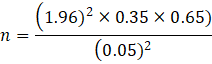
The Fisher's formula calculates the minimum sample size for a population greater than 10,000 as follows:

Where: = minimum required sample size
 = standard normal deviate at 95% confidence level (1.96)
 = estimated prevalence of the attribute under study
 =1 − p
 =acceptable margin of error (precision), set at 5% (0.05)
For this study a prevalence of 35% was used based on a related study.
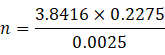


To account for a 10% non-response rate, the sample size was adjusted using:
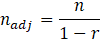
Where:
 == adjusted sample size
 =initial sample size (350)
 =non-response rate (10%)
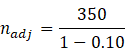


A total of 386 respondents participated in this study.
2.5. Sampling technique
A multi-stage sampling technique was used to select respondents from Akoko-Uno, which is organized into its naturally occurring clusters (quarters): Ugulu, Umuaja-Uno, and Obieti.
The first stage involved selecting clusters that included all three quarters, as they represent the full structure of the community. The total sample size of 386 respondents was allocated equally due to the unavailability of household counts for each quarter, giving approximately 129 respondents per quarter.
The second stage involved selecting households and respondents within the quarters. For each quarter, a complete household listing was compiled with the assistance of the community guide. Using a systematic random sampling technique, the number of households to be selected in each quarter was determined by dividing the total households in the quarter by the required number of households. This thus generated the sampling interval (k). The first household was selected using simple random sampling through balloting, and subsequent households were selected at intervals of k until the required number of households was reached.
In each of the selected households, the eligible respondent, a female aged 15-64 years who was primarily responsible for food storage, processing, or meal preparation, was identified. Where more than one eligible female was present, one was selected by balloting. If a household had no eligible respondent or the respondent declined, the next household on the list was visited, and the respondent was interviewed.
2.6. Study instrument
The study employed a semi-structured, interviewer-administered questionnaire that was designed by the researchers to elicit information on socio-demographic characteristics, methods, and practices in grain and cassava processing among the respondents. The questionnaire was pretested among 30 women in a neighbouring state and revised for clarity. The interviewers who were resident doctors in the Department of Community Medicine were also trained on the correct administration of the study instrument.
2.7. Data analysis
Data were collected, screened for completeness, coded, and entered into the International Business Machines Statistical Package for the Social Sciences (SPSS) (IBM Corporation, Armonk, NY, USA) version 25 for analysis. Descriptive statistics (frequencies, proportions, means) were used to describe the socio-demographic characteristics of the respondents and the preservation methods and substances used. Associations between socio-demographic variables and unsafe food-processing practices were measured using the chi-square test.
2.8. Ethical approval
Ethical clearance was obtained from the Health Research Ethics Committee of the Delta State University Teaching Hospital (Approval Number: HREC/PAN/2025/058/0775). The nature and purpose of the study was explained to the participants. They were informed of their rights to participate actively or refuse. Confidentiality was assured and written informed consent was obtained.
A total of 386 respondents participated in the study. As depicted in Table 1, among them, 320 reported making a livelihood from cassava processing, while 316, reported manipulating the cassava fermentation process. For the grain storage study, the total population under study was 386 while 249 respondents reported that grain storage was a problem to them.
Table 1. Sociodemographic characteristics of respondents.
| Variable | Frequency (n=386) | (%) |
| Age Group (years) | ||
| 15- 24 | 65 | 16.8 |
| 25- 34 | 107 | 27.7 |
| 35- 44 | 96 | 24.9 |
| 45- 54 | 61 | 15.8 |
| 55- 64 | 57 | 14.8 |
| Mean age- 37.89 ± 12.81 | ||
| Tribe | ||
| Ukwuani | 347 | 89.8 |
| Urhobo | 16 | 4.2 |
| Others (ibos, isoko, ijaw etc) | 23 | 6.0 |
| Highest education attained | ||
| Tertiary | 43 | 11.1 |
| Completed secondary | 132 | 34.2 |
| Incomplete secondary | 69 | 17.9 |
| Primary | 97 | 25.1 |
| No formal education | 45 | 11.7 |
| Occupational type | ||
| Farming | 212 | 55.0 |
| Trading | 76 | 19.7 |
| Tailoring | 27 | 7.0 |
| Hairdressing | 24 | 6.2 |
| Others (bike riders, artisans) | 43 | 11.1 |
| No occupation | 4 | 1.0 |
| Religion affiliation | ||
| Christianity | 367 | 95.1 |
| Islam | 6 | 1.5 |
| Traditional African religion | 13 | 3.4 |
| Marital Status | ||
| Married | 301 | 78.0 |
| Not married | 83 | 21.5 |
| Others (divorced, separated) | 2 | 0.5 |
Respondents were aged 15–64 years, with a mean age of 37.89 ± 12.81 years. The largest proportion, 107 (27.7%), were aged 25–34 years. Most respondents were of Ukwani ethnicity (89.8%). Regarding educational status, 132 (34.2%) had completed secondary education, while 97 (25.1%) had primary education and 45 (11.7%) had no formal education. More than half of the respondents, 212 (55.0%), were engaged in farming, followed by trading 76 (19.7%). The majority were Christians, 367 (95.1%) and married, 301 (78.0%).
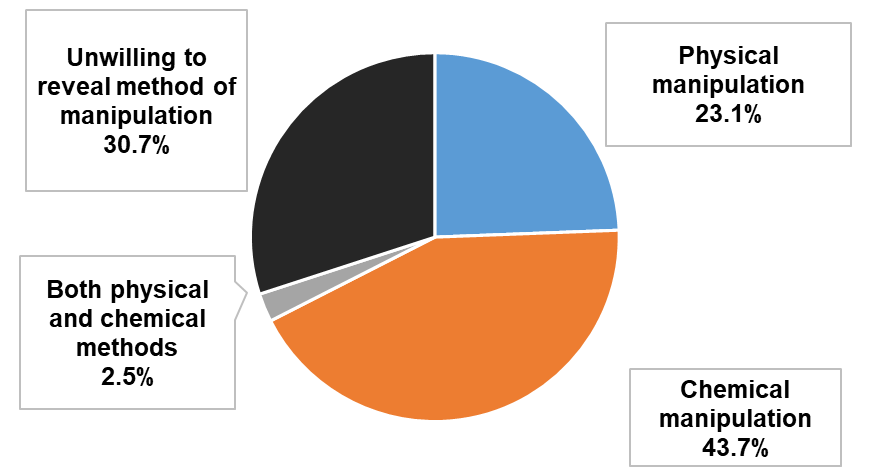
Figure 1. Cassava fermentation manipulation methods.
As shown in Figure 1, among the 316 respondents who reported modifying the standard fermentation process, 138 (43.7%) used chemical methods, 73 (23.1%) used physical methods, and 8 (2.5%) used a combination of both. A total of 97 (30.7%) respondents did not disclose their method of manipulation.
Reported practices included the addition of detergents and bleach, pouring boiled water on soaked cassava, and the introduction of materials such as sandpaper, rusted nails, and potash salt. Multiple responses were recorded for specific techniques.
Table 2. Methods used to prevent weevil infestation in stored beans among respondents.
| Response/Method | Frequency (n=249) | (%) |
| At least one mitigation method | 177 | 71.1 |
| No action taken | 72 | 28.9 |
Methods used among those who took action (n=177) | ||
| Sunlight exposure | 61 | 34.5 |
| Dried pepper | 77 | 43.5 |
| Insecticides | 31 | 17.5 |
| *Other methods | 15 | 8.5 |
*Other methods; adding flour, storing in airtight containers e.g. jerrycan, plastic containers, adding salt.
Table 2 presents the methods used by respondents to prevent or control weevil infestation in stored beans. Out of the 249 respondents who reported experiencing weevil infestation, 177 (71.1%) adopted at least one mitigation method, while 72 (28.9%) did not take any preventive action. Among those who implemented control measures (n = 177), the most commonly used method was the application of dried pepper, reported by 77 respondents (43.5%), followed by sunlight exposure by 61 respondents (34.5%). The use of insecticides was reported by 31 respondents (17.5%). Additionally, 15 respondents (8.5%) used other approaches, including adding flour or salt and storing beans in airtight containers such as jerrycans and plastic containers.
Table 3. Association between socio-demographic characteristics of respondents and manipulation of the cassava fermentation process.
| Variables | Manipulation (n=386) | Total | Chi-square test, Df and p-value | |||
| Yes (%) | No (%) | (n=386) | ||||
| Age Group (years) | χ²= 2.363 | df= 4 | p= 0.669 | |||
| 15–24 yrs | 50 (76.9) | 15 (23.1) | 65 | |||
| 25–34 yrs | 87 (81.3) | 20 (18.7) | 107 | |||
| 35–44 yrs | 78 (81.2) | 18 (18.8) | 96 | |||
| 45–54 yrs | 53 (86.9) | 8 (13.1) | 61 | |||
| 55–64 yrs | 48 (84.2) | 9 (15.8) | 57 | |||
| Educational level | χ²= 1.957 | df= 4 | p= 0.744 | |||
| Tertiary | 35 (81.4) | 8 (18.6) | 43 | |||
| Completed secondary school | 110 (83.3) | 22 (16.7) | 132 | |||
| Did not complete secondary | 53 (76.8) | 16 (23.2) | 69 | |||
| Primary | 82 (84.5) | 15 (15.5) | 97 | |||
| Nil | 36 (80.0) | 9 (20.0) | 45 | |||
| Marital Status | χ²= 3.170 | df= 1 | p= 0.075 | |||
| Married | 252 (83.7) | 49 (16.3) | 301 | |||
| Not married | 64 (75.3) | 21 (24.7) | 85 | |||
| Occupation | χ²= 26.370 | df= 3 | p< 0.001* | |||
| Farming | 189 (88.3) | 25 (11.7) | 214 | |||
| Trader | 61 (78.2) | 17 (21.8) | 78 | |||
| Tailor/Hairdresser | 42 (82.4) | 9 (17.6) | 51 | |||
| Others (nannies, bakers) | 24 (55.8) | 19 (44.2) | 43 | |||
| Tribe | χ²= 1.647 | df= 1 | p= 0.199 | |||
| Ukwuani | 252 (83.7) | 60 (17.3) | 347 | |||
| Others | 64 (75.3) | 10 (25.6) | 39 | |||
*Statistically significant values
Table 3 illustrates the relationship between the socio-demographic characteristics and the manipulation of the cassava fermentation process. Respondents aged 45-54 years had the higher preponderance (86.9%) of those who manipulated the fermentation process. In contrast, slightly more than three fourths, (76.9%) of respondents aged 15-24 years had the lowest proportion among women who also manipulated the fermentation process of cassava.
With respect to marital status, a lower proportion of unmarried respondents (75.3%) reported manipulating the cassava fermentation process compared to the married respondents (83.7%). However, this observed difference was not statistically significant (χ²= 3.170, df= 1, p= 0.075). In contrast, the respondent’s occupation demonstrated a statistically significant association with the manipulation of the cassava fermentation process (χ²= 26.370, df= 3, p< 0.001). Notably, farmers constituted the highest proportion of respondents who reported manipulating the fermentation process (88.3%), exceeding those in the other occupational categories.
Table 4. Logistic Regression model for the predictors of the cassava manipulation process during fermentation.
| Predictor Variable | β | S.E. | Wald | p-value | OR (95% CI) |
| Constant | 2.229 | 0.878 | 6.448 | 0.011 | 9.287 |
| Highest Education (Ref: Tertiary) | 2.586 | 0.629 | – | – | – |
| Complete Secondary | -0.412 | 0.520 | 0.627 | 0.428 | 0.66 (0.24–1.84) |
| Incomplete Secondary | -0.765 | 0.537 | 2.031 | 0.154 | 0.47 (0.16–1.33) |
| Primary | -0.534 | 0.548 | 0.949 | 0.330 | 0.59 (0.20–1.72) |
| Nil | -0.774 | 0.624 | 1.539 | 0.215 | 0.46 (0.14–1.57) |
| Occupation (Ref: Farming) | 20.234 | – | 4.000* | – | – |
| Trader | -0.738 | 0.367 | 4.034 | 0.045* | 0.48 (0.23–0.98) |
| Tailor/Hairdresser | -0.547 | 0.467 | 1.375 | 0.241 | 0.58 (0.23–1.44) |
| Others | -1.891 | 0.426 | 19.679 | 0.000* | 0.15 (0.07–0.35) |
| Age Group (Ref: 55–64 yrs) | 0.735 | 5.947 | – | – | – |
| 15–24 yrs | 0.025 | 0.597 | 0.002 | 0.966 | 1.03 (0.32–3.31) |
| 25–34 yrs | -0.056 | 0.498 | 0.013 | 0.910 | 0.95 (0.36–2.51) |
| 35–44 yrs | -0.199 | 0.484 | 0.169 | 0.681 | 0.82 (0.32–2.12) |
| 45–54 yrs | 0.191 | 0.558 | 0.117 | 0.732 | 1.21 (0.41–3.61) |
| Tribe (Ref: Others) | 0.323 | 0.425 | 0.576 | 0.448 | 1.38 (0.60–3.18) |
| Marital Status (Ref: Not Married) | 0.099 | 0.392 | 0.064 | 0.801 | 1.10 (0.51–2.38) |
*Statistically significant values
As illustrate in Table 4, a binary logistic regression was computed to identify sociodemographic predictors of cassava manipulation among women during processing. The model included age group, educational status, occupation, tribe, and the marital status of the respondents as independent variables. The model was statistically significant (χ² = 26.942, p= 0.013) and explained a modest proportion of the variance in manipulation practices (Nagelkerke R² = 0.110).
Among the variables examined, the occupation was the only significant predictor of manipulation of the cassava fermentation process. Compared with farmers, women in the “Others” occupational category were 85% less likely to engage in the manipulation process of cassava fermentation (OR = 0.151, 95% CI: 0.065–0.350, p< 0.001), while traders had 52% lower odds of manipulating the cassava fermentation process relative to farmers (OR = 0.478, 95% CI: 0.233–0.980, p= 0.045). Educational status and age group were not significantly associated with manipulation practices. However, a non-significant trend suggested lower odds of manipulation among women with no formal education or incomplete secondary education. Likewise, respondents’ tribe and marital status were not significantly associated with the cassava fermentation manipulation.
This study, conducted in a mostly farming rural community in Delta State, Nigeria, where women practice unsafe food preservation process for household cassava processing and grain storage. A large proportion of respondents were engaged in cassava processing into akpu, underscoring its central role in local food security. The findings reveal concerning modifications to traditional cassava fermentation, including the addition of detergents, bleach, potash salt, rusted nails, and sandpaper to accelerate the process. These practices reflect a shift towards aggressive chemical and physical agents, likely driven by the easy availability of such substances in rural markets and weak regulatory oversight by food safety authorities.
Regarding grain storage, while many respondents employed at least one mitigation strategy against weevil infestation, reliance on chemical insecticides (17.5%) was notable. Although traditional methods such as dried pepper (43.5%) and sunlight exposure remained common, the use of insecticides mirrors broader patterns of pesticide misuse across Nigeria [18]. This is consistent with national trends showing high pesticide application rates and the reuse of empty pesticide containers for domestic purposes [19]. The pervasive use of hazardous chemicals such as paraquat, glyphosate, and cyhalothrin in food handling raises significant public health concerns, including acute and chronic toxicities [19]. These findings align with the European Union’s 2015 import restrictions on Nigerian beans due to excessive pesticide residues [20], highlighting the international ramifications of such practices and the urgent need for safer household-level alternatives.
Furthermore, the prevalence of insecticide use in this study was higher than that reported among traders in Ibadan [21], suggesting contextual differences in knowledge, affordability, and perceived effectiveness of pesticides. Weevil infestation was a major challenge, reported by over two-thirds of respondents, contributing to post-harvest losses and food insecurity. Similar unsafe preservation practices have been documented across Africa, including mixed pesticide use in Ethiopia with residues detected in fish [22]. While most respondents in the current study adopted some form of preservation, modern technologies such as hermetic storage were virtually absent, consistent with findings from South Africa [23, 24], where storage choices were heavily influenced by resource constraints and production scale. Alarmingly, nearly one in five respondents used insecticides, raising important questions about food safety knowledge and chemical sourcing that warrant further investigation. In contrast, studies in Benin Republic highlight greater use of botanical alternatives [25], which offer safer and less environmentally persistent options. Traditional methods, particularly dried pepper, remained the most common approach in this setting, consistent with findings from Ibadan [21].
Our findings show no significant associations were observed between cassava fermentation manipulation and age (p = 0.669), educational level (p = 0.744), or ethnicity (p = 0.199). This suggests that these practices are deeply rooted in informal, intergenerational knowledge transfer within communities, with economic factors such as cost and availability exerting stronger influence than socio-demographic characteristics. These findings align with previous studies in South-west and Eastern Nigeria [26, 27]. However, contrasting evidence from Côte d’Ivoire and Ghana indicates that education and age can influence processing practices in contexts with greater exposure to formal training or modernization [28, 29]. Such variations underscore the need for community-wide rather than group-specific interventions.
Moreover, occupation developed as the only significant predictor of cassava fermentation manipulation, with farmers significantly more likely to engage in these practices than traders or other occupational groups. This is consistent with evidence indicating that primary producers are more actively involved in processing and thus more inclined to modify traditional methods to improve efficiency and economic returns [30, 31]. The lower likelihood among non-farming groups likely reflects their limited direct involvement in processing.
This study has some limitations. Respondents may have had difficulty recalling details of past food-processing activities, particularly those that occurred several weeks or months earlier, which may have affected data accuracy and introduced recall bias. In addition, some respondents may have presented themselves in a favorable manner, leading to social desirability bias. On the whole the aims and objectives of this study was achieved.
This study demonstrated the widespread hazardous practices involving cassava processing and grain storage among rural women in Akoko-Uno community, with most respondents engaging in cassava fermentation manipulation, including the use of detergents, potash salts, rusted nails, and sandpaper, as well as pesticides for preserving stored beans. These results indicate the persistence of unsafe and unregulated food processing practices within the community. Occupation was the only statistically significant predictor, with farmers exhibiting higher odds of engaging in these practices compared to other occupational groups. In contrast, age, education, and tribe showed no association, underscoring the entrenched and community driven nature of these behaviors. These findings highlight the need for targeted interventions focused on high-risk groups, particularly farmers, alongside strengthened regulatory measures and the promotion of safer processing alternatives.
The authors acknowledge the contributions of all co-authors to the conceptualization, drafting, and revising of this study. Grateful to the authority of the university for supporting the conducting of this study. The authors also note that limited AI-assisted tools (about 9%) were used primarily for language editing and referencing, in accordance with the journal’s editorial policy.
There were no funding sources for this study.
The authors have no competing interests.
MIN, DTO, OOA were involved in the conceptualization of the study; MIN- wrote the proposal; MIN, DTO and OAO participated in the data collection process and data analysis; All authors drafted the initial manuscript. MIN, DTO, OOA and IWI - drafted the final manuscript. All authors read and approved the final draft of the manuscript and agreed to submission.
This study did not involve any experiments on human participants or animals. Beyond this, ethical clearance was obtained from the Health Research Ethics Committee of the Delta State University Teaching Hospital (Approval Number: HREC/PAN/2025/058/0775).

This work is licensed under a
Creative Commons Attribution 4.0 International License
.
You are free to share and adapt this material for any purpose, even commercially, as long as you give appropriate credit.
 access