J. Biosci. Public Health. 2026; 2(4)

First and Corresponding Author
https://orcid.org/0000-0003-4120-7465
Affiliations:
Department of Nursing, Medical Faculty, Halu Oleo University, Kendari, Indonesia
Coauthor
https://orcid.org/0000-0001-5255-0969
Affiliations:
Department of Midwifery, Health Polytechnic of the Ministry of Health Jambi, Jambi, Indonesia
Background: Hypertension remains one of the leading global public health challenges and a major contributor to cardiovascular morbidity and mortality. Despite the availability of effective pharmacological therapies, blood pressure control remains suboptimal in many populations, leading to growing interest in complementary and herbal approaches. Anredera cordifolia (Binahong) is traditionally used for various health conditions and has attracted attention for its potential cardiovascular benefits. Objective: Aimed to synthesize and critically evaluate current evidence regarding the potential role of Binahong leaf decoction in hypertension management, with emphasis on its phytochemical characteristics, biological mechanisms, safety profile, and implications for clinical practice. Methods: A narrative review was conducted using literature retrieved from PubMed, Scopus, Web of Science, ScienceDirect, and Google Scholar. A total of 11 studies were included in the final synthesis, comprising phytochemical investigations, antioxidant studies, mechanistic pharmacological studies, animal experiments, and comparative clinical studies involving herbal antihypertensive interventions. Results: Evidence indicates that A. cordifolia contains bioactive compounds, including flavonoids, polyphenols, saponins, alkaloids, and terpenoids, with antioxidant and vasoprotective properties. Experimental studies suggest potential antihypertensive effects through antioxidant activity, endothelial protection, vasodilation, and moderate angiotensin-converting enzyme inhibition. However, direct clinical evidence remains scarce, with available human studies limited by small sample sizes, methodological heterogeneity, and non-randomized designs. Current data are therefore insufficient to establish clinical efficacy or standardized therapeutic protocols. Conclusions: Anredera cordifolia demonstrates mechanisms that may support blood pressure regulation and cardiovascular protection. Well-designed experimental studies and randomized controlled trials are required to determine its effectiveness, safety, optimal dosage, and potential role in integrative hypertension care.
Hypertension remains one of the most significant global public health challenges and is a leading modifiable risk factor for cardiovascular morbidity and mortality [1, 2]. Persistent elevation of blood pressure contributes substantially to the development of coronary artery disease, stroke, heart failure, chronic kidney disease, peripheral vascular disease, and premature death [3]. Despite considerable advances in prevention, diagnosis, and treatment, hypertension continues to affect more than one billion individuals worldwide and is responsible for millions of deaths annually. The burden of hypertension is particularly pronounced in low- and middle-income countries, where healthcare systems frequently face challenges related to screening, diagnosis, treatment accessibility, medication adherence, and long-term disease management [4, 5].
The increasing prevalence of hypertension has been attributed to population aging, urbanization, sedentary lifestyles, unhealthy dietary patterns, obesity, tobacco use, excessive alcohol consumption, and psychosocial stress [6]. Although pharmacological therapies such as angiotensin-converting enzyme (ACE) inhibitors, angiotensin receptor blockers, calcium channel blockers, beta-blockers, and diuretics have demonstrated efficacy in reducing cardiovascular risk, achieving optimal blood pressure control remains a persistent challenge. Studies have shown that a substantial proportion of hypertensive patients fail to achieve target blood pressure levels due to poor medication adherence, adverse drug reactions, treatment fatigue, economic barriers, and limited access to healthcare services. Consequently, interest in complementary and alternative therapeutic approaches has increased substantially over the past decade [7].
Herbal medicine constitutes one of the most widely used forms of complementary therapy worldwide [3]. Cultural acceptance, perceived safety, affordability, accessibility, and longstanding traditional use drive the growing utilization of medicinal plants. In many Asian countries, herbal preparations continue to play an important role in primary healthcare and chronic disease management. Furthermore, increasing scientific attention has been directed toward identifying plant-derived bioactive compounds with potential antihypertensive, antioxidant, anti-inflammatory, and cardioprotective properties. Such investigations are particularly relevant because hypertension is increasingly recognized as a multifactorial disorder involving oxidative stress, endothelial dysfunction, chronic inflammation, vascular remodeling, sympathetic overactivity, and dysregulation of the renin–angiotensin–aldosterone system (RAAS) [8].
Among the medicinal plants commonly utilized in Southeast Asia, Anredera cordifolia (Ten.) Steenis, locally known as Binahong, has gained considerable attention due to its diverse pharmacological properties. Binahong is a perennial climbing plant belonging to the Basellaceae family and is widely distributed throughout tropical and subtropical regions. Although native to South America, the plant has become extensively cultivated in Indonesia and several Asian countries, where it is traditionally used for wound healing, gastrointestinal disorders, diabetes management, inflammatory conditions, and cardiovascular health promotion. The leaves represent the most frequently utilized part of the plant and are commonly prepared as decoctions, infusions, extracts, or topical formulations [9, 10].
Traditionally, Binahong leaves are prepared by boiling about 5-10 g of fresh leaves in 200-300 mL of water for 10-15 minutes before oral consumption. However, preparation methods differ considerably among communities with respect to the amount of plant material, water volume, boiling duration, and frequency of administration. To date, no standardized decoction protocol has been established. This variability may substantially influence the extraction efficiency and concentration of bioactive compounds, thereby affecting the pharmacological activity and reproducibility of research findings. Consequently, differences in preparation methods should be considered when interpreting the available evidence regarding the antihypertensive potential of Binahong [11, 12].
Phytochemical investigations have revealed that Binahong leaves contain a wide range of bioactive constituents, including flavonoids, polyphenols, saponins, alkaloids, terpenoids, tannins, glycosides, and various antioxidant compounds [12-14]. These secondary metabolites have attracted scientific interest because of their potential roles in cardiovascular protection. Flavonoids and polyphenols, in particular, are known to exhibit potent antioxidant activities capable of reducing reactive oxygen species, enhancing nitric oxide bioavailability, and protecting endothelial function. Endothelial dysfunction is recognized as a central mechanism in hypertension pathogenesis, and interventions that improve endothelial health may contribute to blood pressure reduction and cardiovascular risk mitigation [15].
Emerging evidence suggests that Binahong may exert antihypertensive effects through multiple complementary pathways. Experimental studies have demonstrated vasodilatory activity in isolated vascular tissues, indicating a direct influence on vascular tone regulation. In addition, several investigations have reported moderate ACE inhibitory activity, suggesting a potential role in modulating the RAAS pathway, which is critically involved in blood pressure regulation [16]. Other studies have highlighted the antioxidant and anti-inflammatory properties of Binahong, which may attenuate oxidative stress, reduce vascular inflammation, and improve arterial function. Collectively, these findings provide biological plausibility for the traditional use of Binahong in hypertension management [10]. However, clinical investigations are mostly small-scale, quasi-experimental studies with methodological limitations, including small sample sizes, absence of control groups, short intervention durations, and lack of standardized preparation methods [17]. Few studies have directly evaluated blood pressure outcomes, and even fewer have investigated the effects of traditionally prepared Binahong leaf decoctions in human populations. Another important limitation is the absence of large-scale randomized controlled trials examining the efficacy and safety of Binahong in hypertensive populations. Questions regarding optimal dosage, preparation methods, treatment duration, long-term safety, potential toxicity, and herb-drug interactions remain largely unanswered.
Therefore, this narrative review aims to synthesize and critically evaluate the current evidence regarding the potential role of Binahong (Anredera cordifolia) leaf decoction in hypertension management. Specifically, this review examines the phytochemical composition of Binahong, proposed antihypertensive mechanisms, evidence from experimental and human studies, preparation methods, safety considerations, and implications for clinical practice and future research. By integrating available evidence, this review seeks to provide a comprehensive understanding of the therapeutic potential and current limitations of Binahong as a complementary approach to hypertension management.
2.1. Review Design
This study was conducted as a narrative review. Although a structured literature search and predefined eligibility criteria were applied to improve transparency and comprehensiveness, the review did not follow the full methodological requirements of a systematic review, such as protocol registration, formal risk-of-bias assessment, or quantitative evidence synthesis. This study employed a narrative review design to comprehensively synthesize and critically evaluate the available evidence regarding the use of Binahong (Anredera cordifolia) leaf preparations, particularly leaf decoctions, for hypertension management [12]. A narrative review methodology was selected because the available literature is relatively limited and heterogeneous, consisting of phytochemical investigations, mechanistic pharmacology studies, experimental animal research, ex vivo vascular studies, and a small number of human intervention studies. The diversity of study designs and outcome measures precluded quantitative synthesis and meta-analysis, making a narrative approach more appropriate for integrating the existing evidence [18, 19].
2.2. Literature Search Strategy
A comprehensive literature search was conducted using five electronic databases: PubMed, Scopus, Web of Science, ScienceDirect, and Google Scholar. The search was performed to identify studies published between January 2014 and June 2026. Additional relevant publications published before 2014 were also considered when they provided foundational evidence regarding pharmacological mechanisms, phytochemical composition, or antihypertensive activity of Anredera cordifolia. The search strategy combined Medical Subject Headings (MeSH) and free-text terms using Boolean operators as follows:
("Anredera cordifolia" OR "Binahong") AND ("Hypertension" OR "High Blood Pressure") AND
("Herbal Medicine" OR "Medicinal Plant" OR "Complementary Therapy") AND ("Antihypertensive Effect" OR "Blood Pressure" OR "ACE Inhibition" OR "Vasodilation"). To ensure comprehensive coverage, supplementary searches were conducted using additional keywords related to phytochemical composition, antioxidant activity, endothelial function, vascular relaxation, and cardiovascular effects. Reference lists of eligible articles were manually screened to identify additional studies that may not have been retrieved through electronic database searches.
2.3. Eligibility Criteria
2.3.1. Inclusion Criteria
Studies were eligible for inclusion if they met the following criteria:
Original research articles published in peer-reviewed journals.
Investigations of Anredera cordifolia leaves, leaf extracts, leaf fractions, or leaf decoctions.
Experimental laboratory studies evaluating antihypertensive mechanisms.
In vitro studies assessing ACE inhibition, antioxidant activity, vasodilation, or endothelial effects.
Ex vivo vascular studies.
Animal studies reporting blood pressure outcomes.
Human intervention studies involving participants with hypertension.
Studies reporting cardiovascular, vascular, or blood pressure-related outcomes.
2.3.2. Exclusion Criteria
Studies were excluded if they met any of the following criteria:
Editorials, commentaries, or opinion pieces.
Conference abstracts without full-text availability.
Duplicate publications.
Studies unrelated to cardiovascular or antihypertensive effects.
Articles lacking sufficient methodological detail.
Studies focusing exclusively on non-leaf plant parts without cardiovascular relevance.
2.4. Study Selection Process
The titles and abstracts of identified records were screened for relevance. Potentially eligible articles underwent full-text assessment. Studies meeting the eligibility criteria were included in the narrative synthesis. The selection process prioritized studies directly evaluating antihypertensive activity. However, because direct clinical evidence was limited, mechanistic studies investigating vasodilatory effects, ACE inhibition, antioxidant activity, endothelial protection, and anti-inflammatory properties were also included to provide a comprehensive understanding of the biological plausibility of antihypertensive effects.
For clarity of presentation, the included studies were grouped into two categories: (1) direct evidence evaluating Anredera cordifolia (Binahong), and (2) comparative evidence from other herbal antihypertensive plants that provided contextual support for the proposed biological mechanisms.
The study selection process followed the PRISMA 2020 recommendations. After removing duplicate records and screening titles and abstracts, potentially eligible articles underwent full-text review. The detailed process is presented in Figure 1. The study selection process followed a structured approach involving identification, screening, eligibility assessment, and final inclusion of relevant studies (Figure 1). Following the removal of duplicate records, all retrieved articles were screened based on their titles and abstracts to determine their relevance to the review objectives. Articles considered potentially eligible subsequently underwent full-text evaluation according to the predefined inclusion and exclusion criteria. To improve the transparency and reliability of the selection process, two independent reviewers independently screened all retrieved records by title, abstract, and full text. Any disagreements regarding study eligibility were resolved through discussion until consensus was achieved. Studies that failed to satisfy the eligibility criteria or did not provide sufficient information relevant to the review objectives were excluded from the final synthesis.
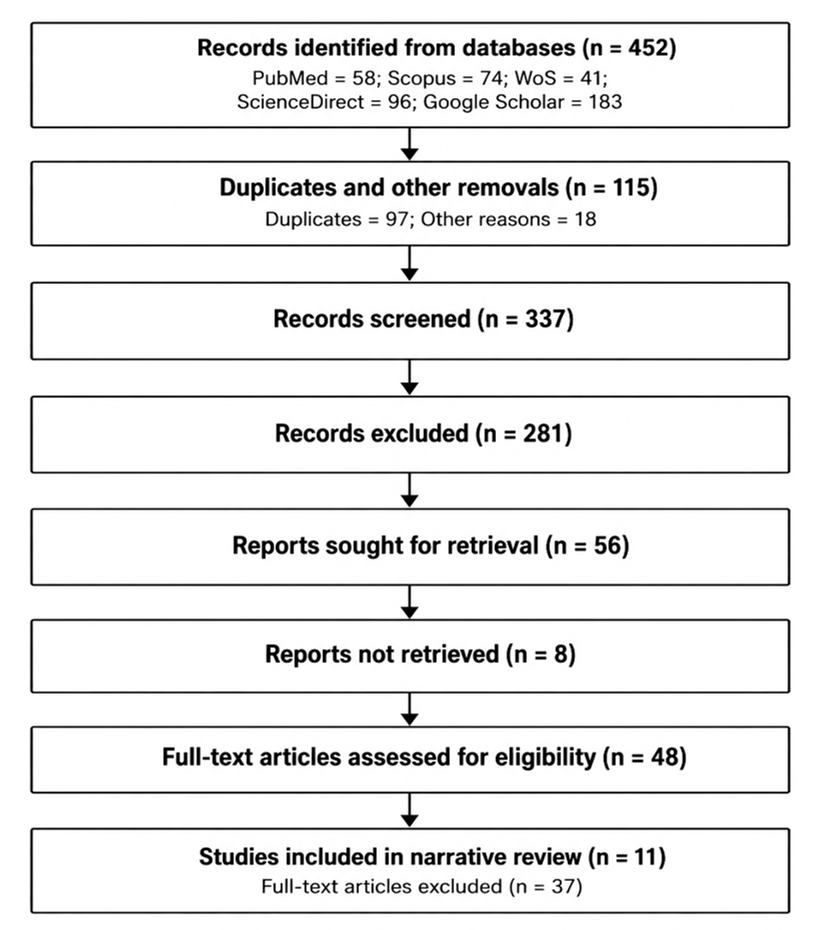
Figure 1. PRISMA 2020 flow diagram of literature selection process.
2.5. Data Extraction
Relevant information was extracted from each included study using a standardized evidence extraction framework. The following variables were collected:
Author(s) and publication year
Country of study
Study design
Experimental model or participant characteristics
Type of Binahong preparation
Intervention protocol
Outcome measures
Main findings
Proposed antihypertensive mechanisms
Study limitations
A total of 11 studies were identified as relevant to the antihypertensive potential of Binahong and were included in the evidence matrix. These studies comprised human intervention studies, animal experiments, ex vivo vascular investigations, phytochemical analyses, antioxidant studies, and pharmacological mechanism studies.
2.6. Data Synthesis
The extracted evidence was synthesized narratively and organized into thematic categories:
Botanical characteristics of Anredera cordifolia.
Phytochemical constituents.
Mechanisms of antihypertensive action.
Experimental evidence.
Human evidence.
Preparation and administration of Binahong leaf decoction.
Safety and adverse effects.
To strengthen interpretation, studies were further categorized according to their contribution to the evidence base, namely direct antihypertensive evidence, mechanistic evidence, phytochemical evidence, and supportive cardiovascular evidence.
2.7. Quality Considerations
Given the narrative nature of this review, a formal risk-of-bias assessment was not conducted. Nevertheless, methodological quality was critically considered during evidence synthesis. Particular attention was paid to study design, sample size, intervention standardization, outcome measurement, duration of follow-up, and applicability to clinical hypertension management. The strength of evidence was interpreted cautiously because the majority of available studies were experimental or mechanistic in nature, whereas high-quality randomized controlled trials in humans remain scarce. Consequently, conclusions were drawn based on the overall consistency, biological plausibility, and methodological robustness of the available literature rather than on any single study.
2.8. Methodological Considerations
Although a formal risk-of-bias assessment was not performed because this study was designed as a narrative review, methodological quality was considered during data synthesis. Particular attention was given to study design, sample size, intervention characteristics, outcome measures, and the overall strength of the available evidence when interpreting the findings.
3.1. Literature Search Results
The literature search identified studies examining the antihypertensive potential of Anredera cordifolia (Binahong) through multiple research approaches, including phytochemical investigations, mechanistic pharmacology studies, ex vivo vascular experiments, animal studies, and human intervention studies. Following screening and eligibility assessment, 11 studies were considered relevant for inclusion in this narrative review.
The included studies represented a diverse body of evidence. Most studies focused on phytochemical characterization and mechanistic pathways, whereas only a limited number directly evaluated blood pressure outcomes in animal or human subjects. Consequently, the evidence base was categorized into four major domains: (i) direct antihypertensive evidence, (ii) mechanistic evidence, (iii) phytochemical evidence, and (iv) supportive cardiovascular evidence.
Only a limited number of studies have directly investigated the antihypertensive potential of Anredera cordifolia (Table 1). Most available evidence consists of phytochemical investigations, antioxidant studies, and mechanistic experiments demonstrating vasodilatory activity, moderate ACE inhibition, and endothelial-protective effects. These findings provide biological plausibility for the potential role of Binahong in blood pressure regulation but do not constitute conclusive clinical evidence.
Table 1. Summary of evidence on the antihypertensive potential of Anredera cordifolia (Binahong) and comparative herbal plants.
| No. | Author (s), Years | Plant / Focus | Study Type | Sample / Model | Intervention / Assessment | Principal Findings |
| Direct evidence on Anredera cordifolia (Binahong) | ||||||
| 1 | Astuti et al. 2011 [9] | A. cordifolia (leaves, stems, tubers) | Phytochemical study | Plant parts | Saponin analysis | In all plant parts have potential pharmacological activity relevant to cardiovascular health. |
| 2 | Djamil et al. 2012 [13] | Binahong leaf extract | Phytochemical and antioxidant study | Leaf extract | Flavonoid isolation and antioxidant assay | Flavonoids isolated with significant antioxidant activity. |
| 3 | Selawa et al. 2013 [12] | Ethanol extract of Binahong leaves | Phytochemical and antioxidant study | Leaf extract | Flavonoid and antioxidant analysis | High flavonoid content and strong antioxidant activity observed. |
| 4 | Garmana et al. 2017 [10] | Binahong leaf extract fractions | Experimental pharmacological study | Vascular tissue | Vasodilation and ACE inhibition assays | Demonstrated vasodilatory activity and moderate ACE inhibition supporting antihypertensive potential. |
| 5 | Susanti et al. 2024 [20] | Binahong extract | Phytochemical and antioxidant study | Plant extract | Phenolic and antioxidant evaluation | High phenolic content and antioxidant properties identified. |
| 6 | Sidhartha et al. 2024 [24] | Binahong leaf extract | Phytochemical, antioxidant and antifungal study | Leaf extract | Phytochemical screening and DPPH assay | Flavonoids, alkaloids, tannins and saponins with significant antioxidant activity. |
| 7 | Herawati et al. 2025 [14] | Ethanol extract of Binahong leaves | Phytochemical and antioxidant study | Leaf extract | Phenolic, flavonoid and antioxidant analysis | High phenolic and flavonoid levels associated with strong antioxidant potential. |
| Comparative evidence from other herbal antihypertensive plants | ||||||
| 8 | Khayyal et al. 2019 [21] | Olea europaea (olive leaf) | Animal study | Hypertensive rats | Olive leaf extract | Reduced blood pressure and improved blood vessel function through antioxidant and endothelial protective effects, similar to Binahong. |
| 9 | Lockyer et al. 2011 [22] | Olea europaea (olive leaf) | Randomized controlled trial | Human participants | Olive leaf extract | Improved blood pressure and cardiovascular risk; supports clinical potential of phytochemical-rich herbal interventions. |
| 10 | Aekthammarat et al. 2024 [23] | Moringa oleifera | Animal study | L-NAME hypertensive rats | Leaf extract | Reduced blood pressure via antioxidant and endothelial protective mechanisms, similar to Binahong. |
| 11 | Susalit et al. [25] | Olea europaea (olive leaf) | Randomized clinical trial | Patients with stage-1 hypertension | Olive leaf extract vs. captopril | Antihypertensive efficacy comparable to captopril; provides comparative clinical evidence for herbal antihypertensive therapy. |
To provide broader scientific context, comparative evidence from other phytochemical-rich medicinal plants was also reviewed (Table 1). Studies involving olive leaf (Olea europaea) and Moringa oleifera demonstrated significant antihypertensive effects through antioxidant activity, improved endothelial function, and modulation of vascular homeostasis. These studies were included solely as indirect evidence supporting the plausibility of plant-derived antihypertensive mechanisms and should not be interpreted as direct evidence of the clinical efficacy of Binahong.
Table 2. Major phytochemical constituents of Binahong leaves and their potential relevance to hypertension.
| Compound Group | Reported Biological Activity | Potential Relevance to Hypertension |
| Flavonoids | Antioxidant, endothelial protection | Enhancement of nitric oxide bioavailability and reduction of oxidative stress |
| Polyphenols | Antioxidant | Protection against vascular oxidative damage |
| Saponins | Anti-inflammatory, vasoprotective | Improvement of vascular function |
| Alkaloids | Cardiovascular modulation | Regulation of vascular tone |
| Terpenoids | Vasorelaxant activity | Support of vascular relaxation |
| Tannins | Antioxidant | Preservation of endothelial integrity |
| Glycosides | Cardiovascular activity | Potential modulation of vascular responses |
As shown in Table 2, among these compounds, flavonoids and polyphenols were the most consistently reported constituents across studies. Quantitative analyses demonstrated substantial concentrations of these compounds in ethanol extracts of Binahong leaves. Antioxidant investigations conducted by Selawa et al. [12], Sidhartha et al. [20], and Herawati et al. [14] further demonstrated significant free-radical scavenging activity, supporting the potential role of Binahong in mitigating oxidative stress-related vascular dysfunction.
3.2. Mechanisms Potentially Relevant to Blood Pressure Regulation
The available mechanistic and phytochemical studies suggest several biological pathways through which the plant may influence cardiovascular function (Table 3). Experimental pharmacological studies reported that Binahong extracts exhibited vasodilatory activity in isolated vascular tissues and demonstrated moderate ACE inhibitory effects. These findings suggest that Binahong may influence blood pressure regulation through both vascular and neurohormonal pathways. In addition, the strong antioxidant properties consistently reported across phytochemical studies provide a biologically plausible mechanism by which Binahong may support endothelial function and vascular homeostasis.
Table 3. Proposed mechanisms relevant to the potential antihypertensive effects of Binahong.
| Mechanism | Supporting Evidence | Potential Impact on Cardiovascular Function |
| Vasodilation | Garmana et al. [10] | Reduction of peripheral vascular resistance |
| ACE inhibition | Garmana et al. [10] | Potential attenuation of the renin-angiotensin system |
| Antioxidant activity | Djamil et al. [13]; Selawa et al. [12]; Sidhartha et al. [20]; Herawati et al. [14] | Reduction of oxidative stress and vascular damage |
| Endothelial protection | Flavonoid- and polyphenol-rich extracts | Preservation of endothelial function |
| Anti-inflammatory effects | Saponin- and polyphenol-containing extracts | Reduction of vascular inflammation |
3.3. Evidence from Experimental and Comparative Studies
Only limited studies have directly investigated the antihypertensive effects of Binahong. Nevertheless, mechanistic evidence suggests that the plant possesses biological activities relevant to blood pressure regulation. Experimental work by Garmana et al. demonstrated vasodilatory effects and moderate ACE inhibitory activity of Binahong extracts, indicating potential cardiovascular benefits [10].
To provide contextual support for the biological plausibility of plant-based antihypertensive therapies, comparative evidence from other medicinal plants was also examined. Khayyal et al. (2002) reported significant blood pressure reduction and improved endothelial function following administration of olive leaf extract in hypertensive rats. Similarly, Aekthammarat et al. [21] demonstrated that Moringa oleifera leaf extract reduced blood pressure and alleviated vascular dysfunction in L-NAME-induced hypertensive rats through antioxidant and endothelial protective mechanisms. Human clinical evidence from Susalit et al. [22] further showed that olive leaf extract exhibited antihypertensive efficacy comparable to captopril among patients with stage-1 hypertension.
Collectively, these findings suggest that phytochemical-rich medicinal plants may exert antihypertensive effects through multiple mechanisms involving antioxidant activity, vascular protection, and modulation of endothelial function. The presence of similar bioactive compounds in Binahong supports its potential role as a complementary intervention, although direct clinical evidence remains insufficient.
3.4. Preparation and Administration of Binahong Leaf Decoction
Traditional use of Binahong primarily involves the preparation of fresh leaves as a decoction (Table 4). Common preparation methods include washing mature leaves, boiling them in water for approximately 10–20 minutes, and consuming the resulting decoction after cooling. However, the reviewed studies revealed considerable variability in extraction methods, solvent use, dosage, and duration of administration. The lack of standardized preparation protocols remains an important limitation and hinders direct comparison across studies.
Table 4. Characteristics of Anredera cordifolia (Binahong) preparations reported in the included studies.
| Parameter | Observed Variation |
| Plant material | Fresh leaves, dried leaves, ethanol extracts |
| Preparation method | Decoction, extract, fraction |
| Administration route | Oral administration |
| Dosage | Not standardized |
| Treatment duration | Variable across studies |
3.5. Safety and Potential Adverse Effects
According to Table 5 safety data specific to Binahong remain limited. The available studies generally reported favorable tolerability and did not identify serious adverse effects associated with commonly used preparations. However, most investigations focused on phytochemical characterization and biological activity rather than comprehensive toxicological evaluation. Overall, the current literature suggests a favorable preliminary safety profile; however, rigorous toxicological and clinical safety studies remain necessary.
Table 5. Summary of available safety data for Anredera cordifolia (Binahong) preparations.
| Safety Aspect | Current Evidence |
| Acute toxicity | Limited evidence suggests low toxicity |
| Serious adverse effects | Not reported in reviewed studies |
| Long-term safety | Insufficient evidence |
| Herb–drug interactions | Insufficient evidence |
| Use during pregnancy and lactation | Insufficient evidence |
3.6. Overall Synthesis of Findings
As depicted in Figure 2, Anredera cordifolia (Binahong) contains several bioactive compounds, including flavonoids, polyphenols, saponins, alkaloids, terpenoids, and tannins, that exhibit antioxidant and vasoprotective properties. Current evidence suggests that these compounds may help regulate blood pressure by reducing oxidative stress, improving endothelial function, promoting vasodilation, and moderately inhibiting ACE. However, the evidence is strongest from phytochemical, mechanistic, and animal studies, whereas human evidence remains limited and methodologically weak. Therefore, although Binahong shows promising potential as a complementary approach to hypertension management, well-designed preclinical studies and large randomized controlled trials are needed to confirm its efficacy and safety.
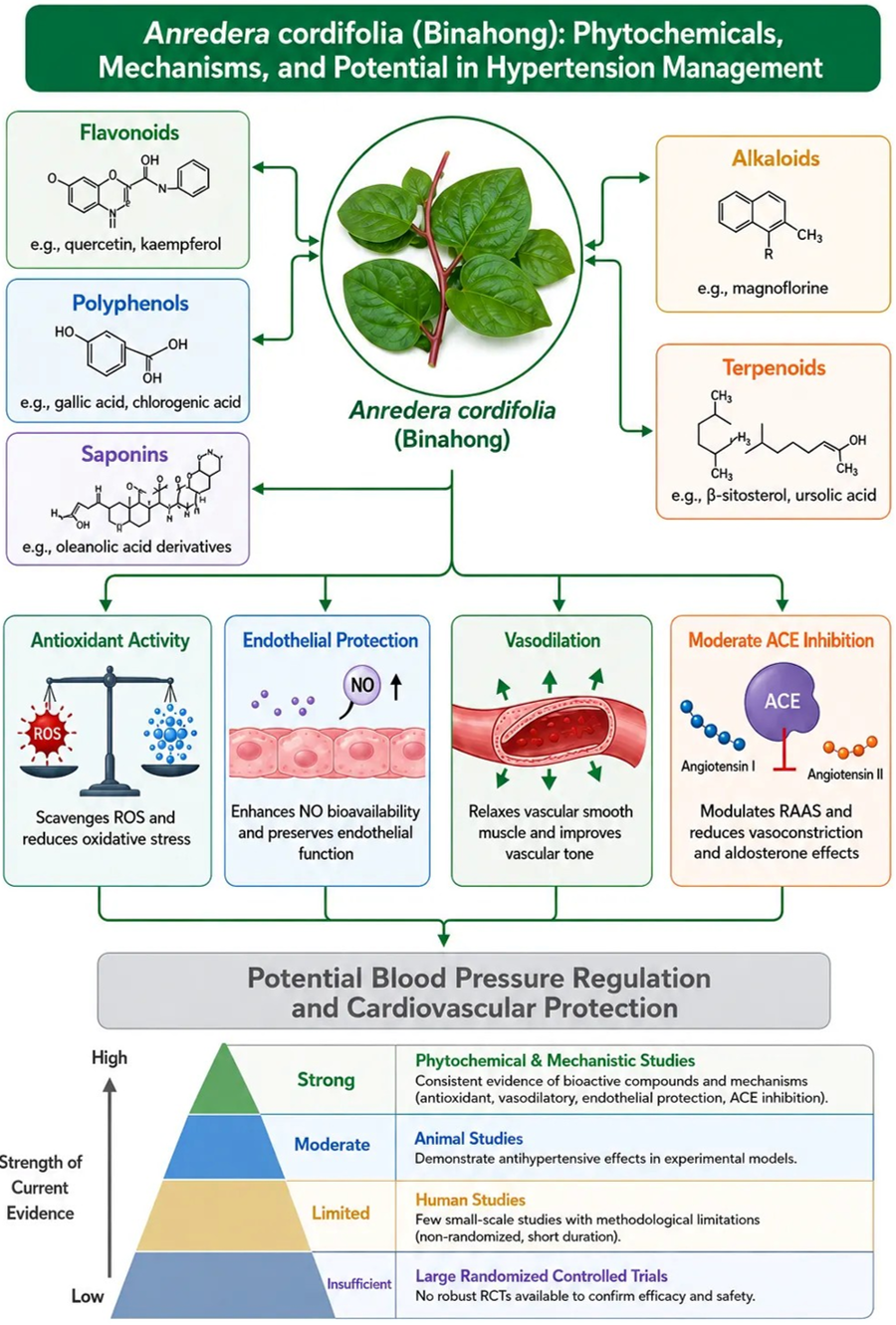
Figure 2. Proposed mechanisms and current evidence supporting the antihypertensive potential of Anredera cordifolia (Binahong).
This narrative review synthesized the available evidence regarding the potential role of Anredera cordifolia (Binahong) in hypertension management. The current literature suggests that Binahong possesses several biological properties that may contribute to blood pressure regulation, including antioxidant activity, vasodilatory effects ACE inhibition, endothelial protection, and anti-inflammatory activity [9-12, 20-24]. These findings provide biological credibility for the traditional use of Binahong as a complementary herbal therapy. However, the available evidence is not enough to proof of clinical antihypertensive efficacy because most studies have been conducted in laboratory settings or experimental models rather than in well-designed clinical trials [25, 26].
Hypertension is a multifactorial disorder driven by oxidative stress, endothelial dysfunction, chronic vascular inflammation, arterial remodeling, sympathetic overactivity, and dysregulation of the renin–angiotensin–aldosterone system [25-29]. These processes reduce nitric oxide bioavailability, impair vascular relaxation, and sustain elevated blood pressure. Binahong’s phytochemical profile aligns closely with these pathways. Flavonoids and polyphenols can scavenge reactive oxygen species, preserve endothelial nitric oxide synthase activity, and enhance nitric oxide signaling [11-14, 29, 30]. Experimental work has further demonstrated direct vascular smooth-muscle relaxation and moderate ACE inhibition, suggesting complementary effects on both vascular tone and neurohormonal regulation [10]. Anti-inflammatory actions attributable to saponins and phenolic compounds may additionally attenuate vascular inflammation [9].
These mechanistic findings parallel those reported for better-characterized herbal antihypertensives. Olive leaf (Olea europaea) extract has been shown to lower blood pressure and improve endothelial function in both animal models and patients with stage-1 hypertension, with efficacy comparable to captopril in one randomized trial [21, 22]. Moringa oleifera leaf extract similarly reduces blood pressure in L-NAME-induced hypertensive rats through antioxidant and endothelial-protective mechanisms [21]. While such comparative data illustrate the therapeutic potential of phytochemical-rich plants, they cannot be extrapolated as direct evidence of Binahong’s clinical effectiveness [23, 24, 31].
The current evidence base is constrained by several important limitations. High-quality human data are scarce. Most available investigations are phytochemical, in-vitro, ex-vivo, or animal studies [9-12, 20, 32]. The few human studies that have examined blood-pressure outcomes are small, quasi-experimental or pretest posttest designs that lack randomization, allocation concealment, blinding, and adequate control groups [15, 17, 33]. Short intervention periods further limit statistical power and increase susceptibility to selection bias, placebo effects, and regression to the mean. Marked heterogeneity in plant material (fresh versus dried leaves), extraction solvents, dosage regimens, treatment duration, and outcome measures precludes reliable cross-study comparison and identification of optimal protocols [10, 12, 14]. Methodological reporting is frequently incomplete, leaving overall risk of bias uncertain. Publication bias may also inflate apparent benefits, as positive findings are more likely to appear in the literature. Long-term safety data including chronic toxicity, hepatotoxicity, nephrotoxicity, reproductive safety, and herb–drug interactions remain largely absent [16, 34, 35].
From a clinical perspective, Binahong cannot currently be recommended as an evidence-based antihypertensive therapy or as a substitute for conventional pharmacological treatment, lifestyle modification, or routine blood-pressure monitoring [23, 26]. It may be considered, under professional supervision, as a culturally acceptable complementary option for selected patients who wish to incorporate traditional medicine. Theoretical additive effects with ACE inhibitors, angiotensin-receptor blockers, calcium-channel blockers, beta-blockers, or diuretics warrant caution; patients should disclose herbal use and undergo regular monitoring until dedicated interaction studies become available [24, 35].
In resource-limited settings, Binahong’s local availability and cultural acceptance may support its exploration as an adjunctive intervention. However, integration into public-health programs requires standardized preparations, quality control, pharmacovigilance, and robust clinical evidence rather than reliance on traditional use alone [16, 23].
Future research should prioritize multicenter randomized controlled trials that employ standardized Binahong preparations, adequate sample sizes, longer follow-up, blinded outcome assessment, and comprehensive evaluation of efficacy, safety, and potential herb-drug interactions. Parallel work on phytochemical standardization, dose response relationships, and long-term toxicology will be essential to determine whether Binahong can occupy a defined role within integrative hypertension care [26, 29, 36].
Strengths of the Current Evidence
The principal strength of the current evidence lies in the consistency of findings across phytochemical analyses, mechanistic pharmacology, ex vivo vascular experiments, and animal studies, all of which support the biological plausibility of Binahong as a complementary approach to hypertension management. The convergence of these independent lines of evidence provides a sound scientific rationale for future clinical investigation. Furthermore, the longstanding traditional use of Binahong offers valuable ethnopharmacological support for hypothesis generation, although traditional use alone cannot be considered evidence of clinical effectiveness.
Weaknesses and Limitations of Existing Studies
Till now several critical limitations substantially weaken confidence in the current evidence base. High-quality human data are scarce; most findings derive from laboratory, phytochemical, and animal studies rather than rigorously designed randomized controlled trials in hypertensive patients. The few available human studies are typically small, quasi-experimental, and lack randomization, allocation concealment, blinding, or adequate control groups, thereby increasing susceptibility to selection, performance, and measurement bias. Short intervention periods further limit statistical power and generalizability. Marked heterogeneity in plant material, extraction methods, dosages, treatment duration, and outcome measures precludes meaningful comparison across studies and prevents identification of optimal therapeutic protocols. Methodological reporting is frequently incomplete, leaving overall risk of bias uncertain, while the possibility of publication bias may inflate apparent benefits. Finally, long-term safety data including chronic toxicity, organ-specific effects, reproductive safety, and herb-drug interactions remain largely absent.
Future Research Directions
Future investigations should prioritize multicenter randomized controlled trials with adequate sample sizes, concealed allocation, blinded outcome assessment, standardized Binahong preparations, and longer follow-up periods. Such studies should evaluate clinically relevant outcomes including systolic and diastolic blood pressure, endothelial function, cardiovascular biomarkers, quality of life, adverse events, and potential herb drug interactions.
Future systematic reviews should also assess the methodological quality of available studies using standardized risk-of-bias assessment tools and evaluate the potential influence of publication bias. Standardization of Binahong preparation methods, phytochemical characterization, dosage regimens, and quality control procedures will be essential for generating reproducible, clinically meaningful, and internationally comparable evidence. Furthermore, long-term studies evaluating chronic safety, hepatotoxicity, nephrotoxicity, and pharmacokinetic interactions with conventional antihypertensive medications are needed before definitive clinical recommendations can be established.
This narrative review indicates that Anredera cordifolia (Binahong) possesses phytochemical constituents and pharmacological properties that provide a biologically plausible basis for supporting blood pressure regulation. Current evidence demonstrates antioxidant, vasodilatory, endothelial-protective, anti-inflammatory, and moderate ACE inhibitory activities. However, the available evidence is derived predominantly from phytochemical investigations, mechanistic studies, and animal experiments, whereas robust clinical evidence in humans remains limited. Accordingly, Binahong cannot yet be recommended as an evidence-based antihypertensive therapy or as a substitute for standard pharmacological treatment. Nevertheless, it may represent a promising complementary intervention that warrants further investigation. Future multicenter randomized controlled trials using standardized Binahong preparations, adequate sample sizes, longer follow-up periods, and comprehensive safety assessments are essential to establish its clinical efficacy, optimal dosage, and role in integrative hypertension care.
The authors sincerely express their gratitude to their colleagues and affiliated institutions for their continuous support and encouragement throughout the research process.
This research received no specific grant from any funding agency, commercial, or not-for-profit sectors.
The authors declare that there are no conflicts of interest related to this manuscript.
Ethical approval was not required for this study because it is a narrative review based exclusively on previously published literature. No human participants, animals, or identifiable personal data were involved, and no primary data were collected.
La Ode Alifariki: Conceptualization, methodology, investigation, data curation, formal analysis, writing original draft, review, and supervision. Dewi Nopiska Lilis: methodology, data curation, review manuscript. all authors have read and approved the final manuscript and agree to be accountable for all aspects of the work
During the preparation of this manuscript, the authors used artificial intelligence (AI)-assisted language tools solely to improve grammar, language clarity, and readability. The AI tools were not used to generate scientific content, interpret data, draw conclusions, or replace the authors' intellectual contributions. All literature selection, critical appraisal, interpretation of the evidence, and final manuscript preparation were performed entirely by the authors, who accept full responsibility for the accuracy and integrity of the manuscript.

This work is licensed under a
Creative Commons Attribution 4.0 International License
.
You are free to share and adapt this material for any purpose, even commercially, as long as you give appropriate credit.
 access